Recombinant Human DGAT2 protein (GST tag N-Terminus)
Recombinant Human DGAT2 protein (GST tag N-Terminus)
Be the first to review this product! Submit a review
|
(0 Publication)
Recombinant Human DGAT2 protein (GST tag N-Terminus) is a Human Fragment protein, in the 289 to 388 aa range, expressed in Wheat germ, suitable for ELISA, WB.
別名を表示する
HMFN1045, UNQ738/PRO1433, DGAT2, Diacylglycerol O-acyltransferase 2, Acyl-CoA retinol O-fatty-acyltransferase, Diglyceride acyltransferase 2, ARAT, Retinol O-fatty-acyltransferase

- SDS-PAGE
Unknown
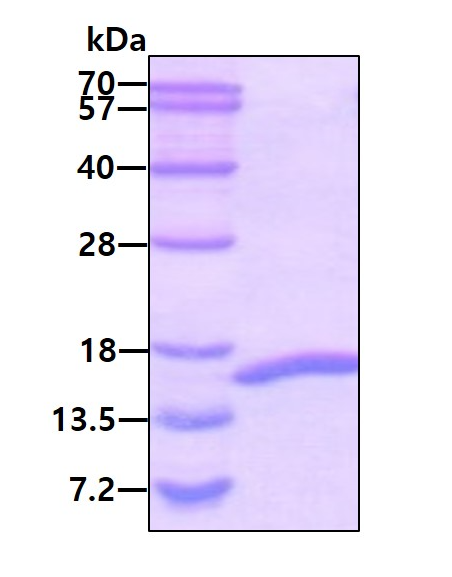
SDS-PAGE - Recombinant Human DGAT2 protein (GST tag N-Terminus) (AB153553)
ab153553 on a 12.5% SDS-PAGE stained with Coomassie Blue.
組合せ製品

Primary Antibodies
AB181180
Anti-DGAT1 antibody [EPR13430-4] - N-terminal
20ul selling size|RabMAb|Recombinant

- 4
- 1
Primary Antibodies
AB207799
Anti-Adipose Triglyceride Lipase antibody [EPR19650]
BOND RX™ Validated|KO Validated|RabMAb|Recombinant|20ul selling size

- 0
- 0
Reactivity data
配列情報
出荷温度及び保存条件
製品の状態
精製方法
出荷温度
短期保存温度
長期保存温度
分注に関する情報
保管に関する情報
補足情報
This supplementary information is collated from multiple sources and compiled automatically.
Biological function summary
DGAT2 significantly contributes to energy storage and lipid homeostasis in cells. The protein is not usually known to be part of a larger macromolecular complex but it works in association with lipid droplets where the fats are stored. The enzyme's activity significantly impacts the regulation of intracellular triglyceride levels making it important for maintaining energy balance within the cell and the entire organism.
Pathways
The role of DGAT2 is mainly tied to lipid metabolism particularly the triglyceride synthesis pathway. It directly assists in converting excess carbohydrates and other substrates into triglycerides for energy storage. DGAT2 works closely with proteins like DGAT1 another isoform involved in triacylglycerol synthesis and both contribute to maintaining adequate lipid storage and energy regulation within the body.
一般的な情報
機能
Essential acyltransferase that catalyzes the terminal and only committed step in triacylglycerol synthesis by using diacylglycerol and fatty acyl CoA as substrates. Required for synthesis and storage of intracellular triglycerides (PubMed : 27184406). Probably plays a central role in cytosolic lipid accumulation. In liver, is primarily responsible for incorporating endogenously synthesized fatty acids into triglycerides (By similarity). Also functions as an acyl-CoA retinol acyltransferase (ARAT) (By similarity). Also able to use 1-monoalkylglycerol (1-MAkG) as an acyl acceptor for the synthesis of monoalkyl-monoacylglycerol (MAMAG) (PubMed : 28420705).
配列の類似性
Belongs to the diacylglycerol acyltransferase family.
ターゲットの情報
Abcam product promise
Please note: All products are 'FOR RESEARCH USE ONLY. NOT FOR USE IN DIAGNOSTIC OR THERAPEUTIC PROCEDURES'.
For licensing inquiries, please contact partnerships@abcam.com