Recombinant Hepatitis B Virus Core Antigen protein (Tag Free)
Recombinant Hepatitis B Virus Core Antigen protein (Tag Free)
Be the first to review this product! Submit a review
|
(3 Publications)
Recombinant Hepatitis B Virus Core Antigen protein (Tag Free) is a Hepatitis B virus subtype adyw Full Length protein, in the 1 to 183 aa range, expressed in Escherichia coli, with >95%, suitable for SDS-PAGE, ELISA, WB, FuncS.
別名を表示する
Capsid protein, Core antigen, Core protein, HBcAg, p21.5, C, Capsid protein, Core antigen, Core protein, HBcAg, p21.5, C, Capsid Protein, Core and e antigen, Core antigen, Core protein, HBVgp4, HBc, HBcAg, Hepatitis B Virus core antigen, Hepatitis B core antigen, p21.5, precore/core protein, Capsid protein, Core antigen, Core protein, HBcAg, p21.5, C, External core antigen, HBeAg, Precore protein, p25, C, Capsid protein, Core antigen, Core protein, HBcAg, p21.5, C
組合せ製品
Reagents, Controls & Accessories
AB234617
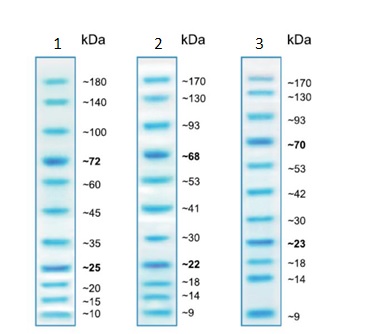
Prestained Protein Ladder - Mid-range molecular weight (10 - 180 kDa)
- 0
- 0
Proteins & Peptides
AB193473
Recombinant Hepatitis B virus Hepatitis B Surface Antigen AD protein
- 0
- 0
Primary Antibodies
AB316283
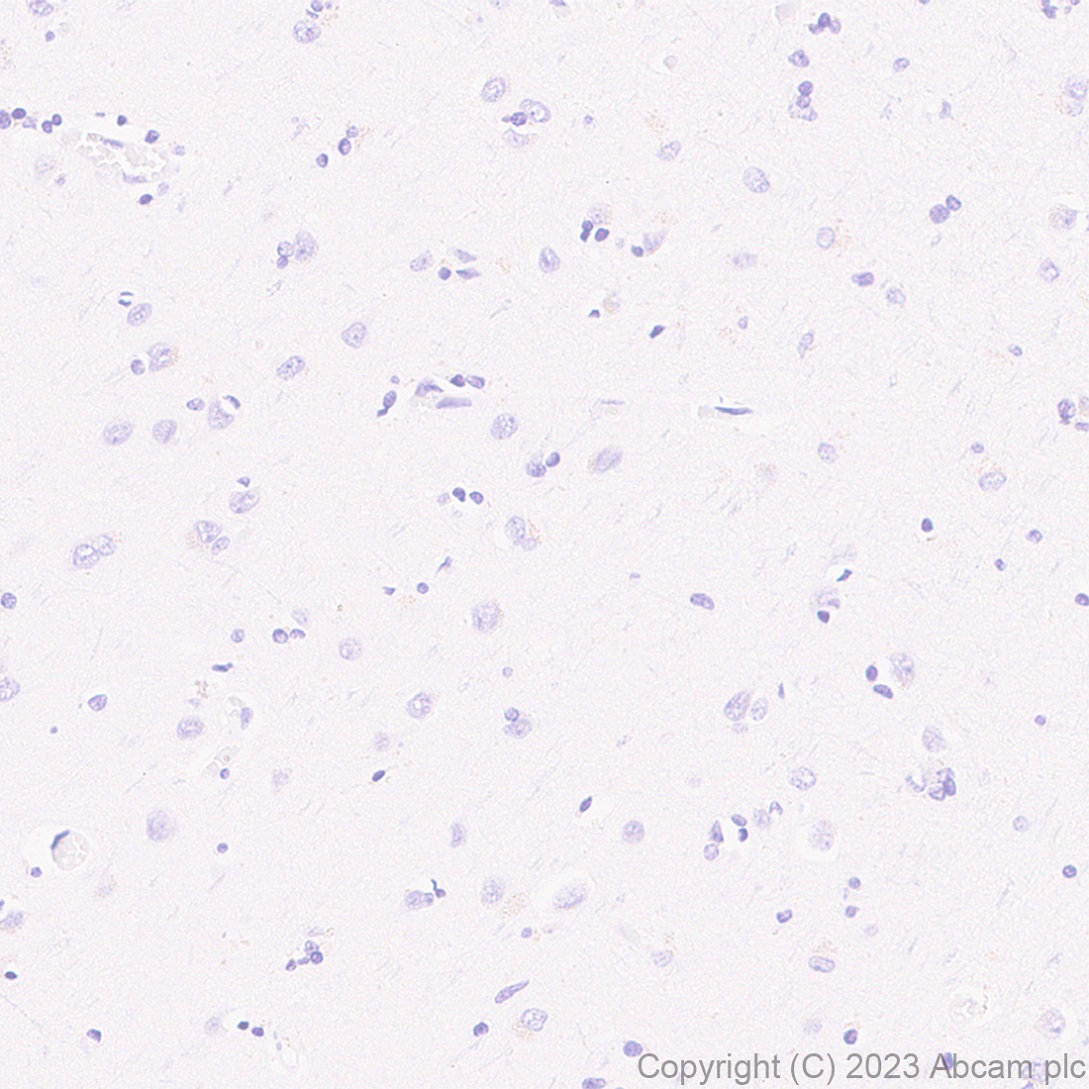
Anti-Hepatitis B Virus Core Antigen antibody [EPR28251-34]
BOND RX™ Validated|20ul selling size|Recombinant|RabMAb
- 5
- 1
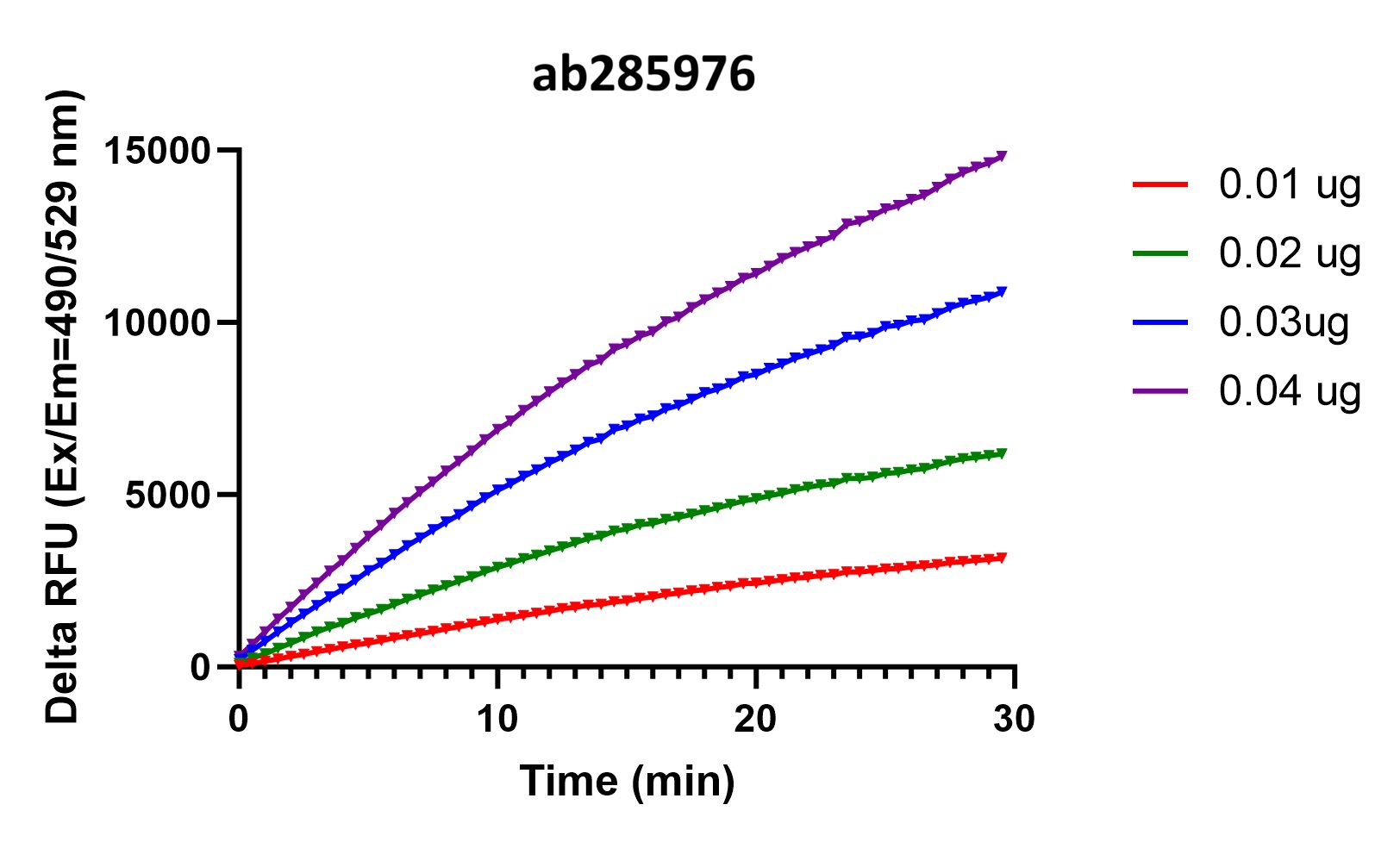
Reactivity data
製品の詳細
配列情報
出荷温度及び保存条件
製品の状態
出荷温度
短期保存期間
短期保存温度
長期保存温度
分注に関する情報
保管に関する情報
補足情報
This supplementary information is collated from multiple sources and compiled automatically.
Biological function summary
The hepatitis B core antigen is integral for the assembly of the viral capsid which protects the viral genome during infection. It functions as part of a larger complex with other viral proteins including the pre-core and envelope proteins to facilitate viral lifecycle processes. This antigen allows for the encapsidation of viral RNA and serves as a scaffold for reverse transcription of the viral genome ensuring replication fidelity and successful infection spread.
Pathways
The hepatitis B core antigen is essential in the viral replication pathway and the HBV lifecycle pathway. It interacts closely with HBV polymerase during the packaging of viral genome into the capsid. These interactions are important for the transformation of RNA into DNA a critical step in viral maturation. The antigen is related to the HBx protein through these pathways; the HBx protein modulates viral replication and can influence the pathogenesis of the virus.
一般的な情報
機能
Self assembles to form an icosahedral capsid. Most capsids appear to be large particles with an icosahedral symmetry of T=4 and consist of 240 copies of capsid protein, though a fraction forms smaller T=3 particles consisting of 180 capsid proteins. Entering capsids are transported along microtubules to the nucleus. Phosphorylation of the capsid is thought to induce exposure of nuclear localization signal in the C-terminal portion of the capsid protein that allows binding to the nuclear pore complex via the importin (karyopherin-) alpha and beta. Capsids are imported in intact form through the nuclear pore into the nuclear basket, where it probably binds NUP153. Only capsids that contain the mature viral genome can release the viral DNA and capsid protein into the nucleoplasm. Immature capsids get stuck in the basket. Capsids encapsulate the pre-genomic RNA and the P protein. Pre-genomic RNA is reverse-transcribed into DNA while the capsid is still in the cytoplasm. The capsid can then either be directed to the nucleus, providing more genomes for transcription, or bud through the endoplasmic reticulum to provide new virions.
配列の類似性
Belongs to the orthohepadnavirus core antigen family.
翻訳後修飾
Phosphorylated by host SRPK1, SRPK2, and maybe protein kinase C or GAPDH. Phosphorylation is critical for pregenomic RNA packaging. Protein kinase C phosphorylation is stimulated by HBx protein and may play a role in transport of the viral genome to the nucleus at the late step during the viral replication cycle.
ターゲットの情報
追加のターゲット
文献 (3)
Recent publications for all applications. Explore the full list and refine your search
Cell reports 38:110284 PubMed35081341
2022
Applications
Unspecified application
Species
Unspecified reactive species
Virus research 271:197677 PubMed31376401
2019
Applications
Unspecified application
Species
Unspecified reactive species
Biotechnology progress 34:130-140 PubMed28884522
2017
Applications
Unspecified application
Species
Unspecified reactive species
Abcam product promise
Please note: All products are 'FOR RESEARCH USE ONLY. NOT FOR USE IN DIAGNOSTIC OR THERAPEUTIC PROCEDURES'.
For licensing inquiries, please contact partnerships@abcam.com