Recombinant Hantavirus Puumala, strain Vranica, nucleocapsid protein
Recombinant Hantavirus Puumala, strain Vranica, nucleocapsid protein
Be the first to review this product! Submit a review
|
(1 Publication)
Recombinant Hantavirus Puumala, strain Vranica, nucleocapsid protein is a Full Length protein, expressed in Yeast, with >95%, suitable for ELISA, WB, SDS-PAGE.
別名を表示する
Nucleoprotein
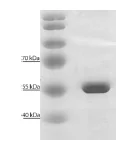
- SDS-PAGE
Unknown
SDS-PAGE - Recombinant Hantavirus Puumala, strain Vranica, nucleocapsid protein (AB74555)
SDS-PAGE showing ab74555 at approximately 55kDa. (2 μg/lane).
組合せ製品
Reagents, Controls & Accessories
AB234592
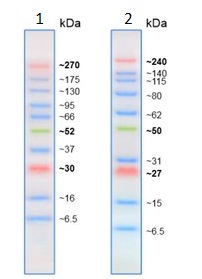
Prestained Protein Ladder - Extra broad molecular weight (6.5 - 270 kDa)
- 0
- 0
Proteins & Peptides
AB273530
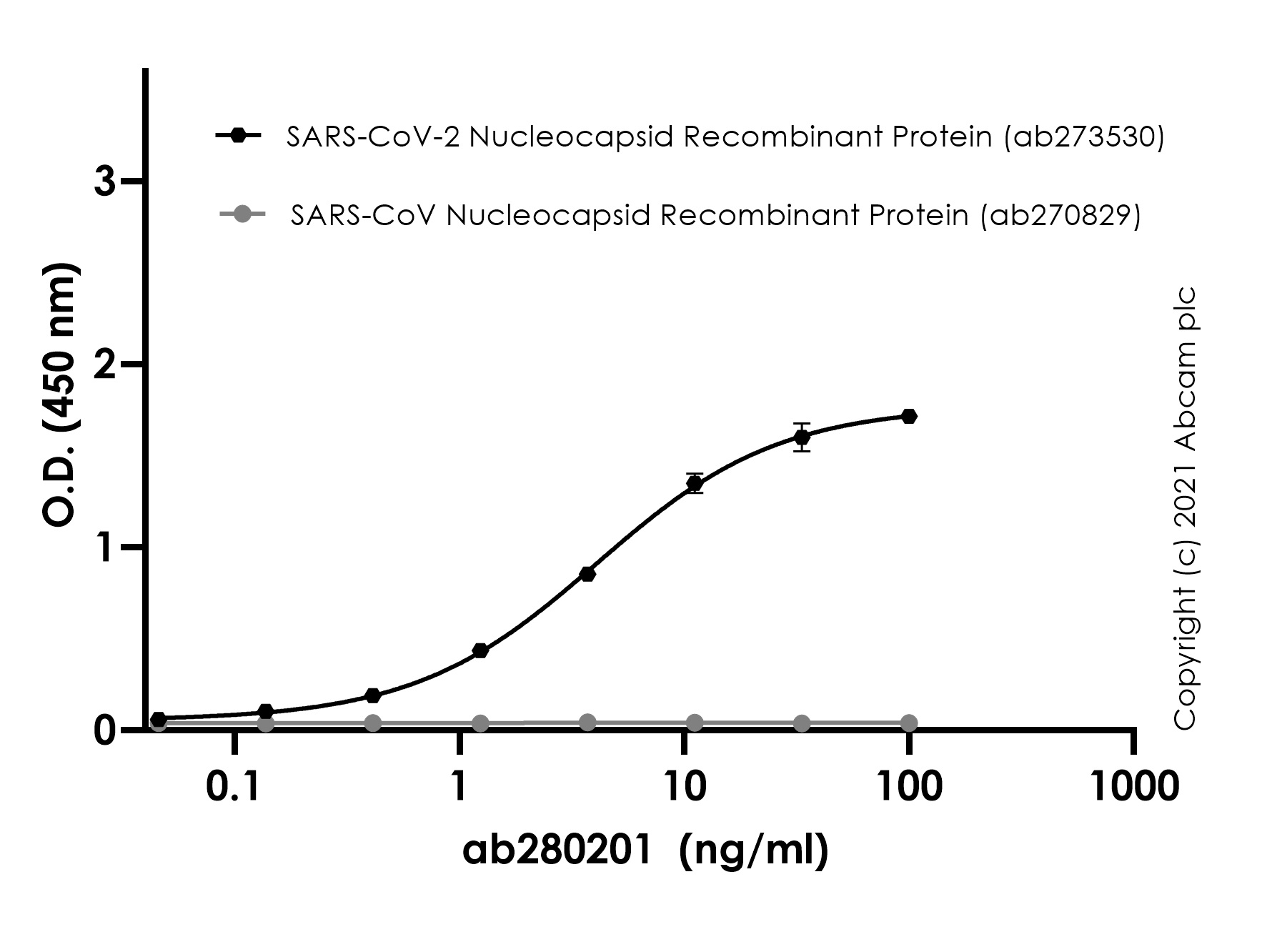
Recombinant Human coronavirus SARS-CoV-2 nucleocapsid protein (His tag)
- 0
- 0
Primary Antibodies
AB271180
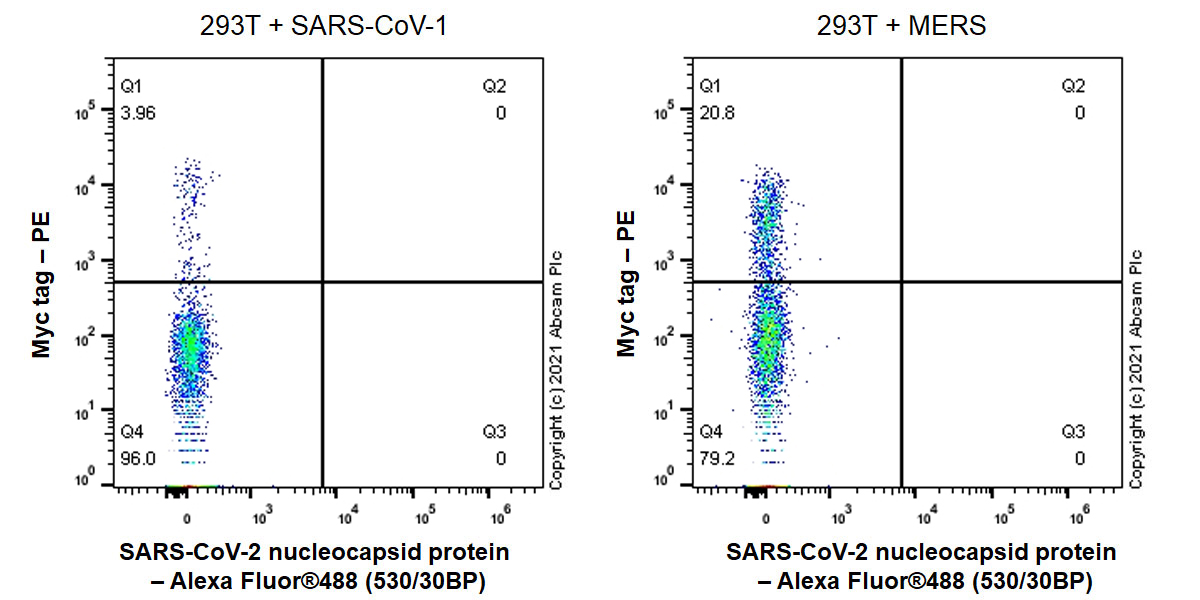
Rabbit monoclonal [EPR24334-118] to SARS-CoV-2 nucleocapsid protein
BOND RX™ Validated|20ul selling size|RabMAb|Recombinant
- 5
- 4
Reactivity data
配列情報
出荷温度及び保存条件
製品の状態
出荷温度
短期保存温度
長期保存温度
補足情報
This supplementary information is collated from multiple sources and compiled automatically.
Biological function summary
The nucleocapsid protein impacts viral assembly and host cell interactions. It binds to viral RNA ensuring efficient packaging into new virions essential for successful viral transmission. The nucleocapsid also modulates the host immune response by interfering with the antiviral signaling pathways. Although primarily acting alone the nucleocapsid does engage in interactions with other viral components such as the glycoprotein influencing viral particle morphology and infectivity.
Pathways
The nucleocapsid protein interacts with several molecular processes critical for viral infection and propagation. It significantly impacts the interferon signaling pathway suppressing host innate immune responses to benefit viral replication. The protein also interfaces with cellular pathways involved in RNA synthesis and assembly. Furthermore it shares functional overlap with other viral proteins such as the glycoprotein precursor assisting in the efficient production of infectious virions.
一般的な情報
文献 (1)
Recent publications for all applications. Explore the full list and refine your search
Scientific reports 9:834 PubMed30696898
2019
Applications
Unspecified application
Species
Unspecified reactive species
Abcam product promise
Please note: All products are 'FOR RESEARCH USE ONLY. NOT FOR USE IN DIAGNOSTIC OR THERAPEUTIC PROCEDURES'.
For licensing inquiries, please contact partnerships@abcam.com