Anti-Progesterone Receptor 抗体 [SP2], prediluted
Anti-Progesterone Receptor antibody [SP2], prediluted
- RabMAb®
- 詳細を見る
Be the first to review this product! Submit a review
|
(5 Publications)
Rabbit Monoclonal Progesterone Receptor antibody. Suitable for IHC-P and reacts with Human samples. Cited in 5 publications.
別名を表示する
NR3C3, PGR, Progesterone receptor, PR, Nuclear receptor subfamily 3 group C member 3
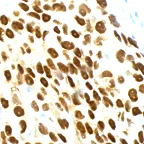
- IHC-P
Unknown
Immunohistochemistry (Formalin/PFA-fixed paraffin-embedded sections) - Anti-Progesterone Receptor antibody [SP2], prediluted (AB27596)
Staining of human breast carcinoma using ab27596
関連する標識済み抗体及び組成の異なる製品 (4)
-
Anti-Progesterone Receptor antibody [SP2]
-
Anti-Progesterone Receptor antibody [SP2] - BSA and Azide free
-
519 Alexa Fluor® 488
Alexa Fluor® 488 Anti-Progesterone Receptor antibody [SP2]
-
665 Alexa Fluor® 647
Alexa Fluor® 647 Anti-Progesterone Receptor antibody [SP2]
代替製品
Primary Antibodies
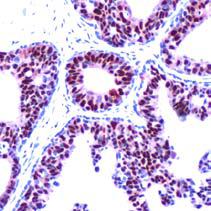
AB101688
Anti-Progesterone Receptor antibody [SP42]
20ul selling size|BOND RX™ Validated|RabMAb|Recombinant
- 5
- 2
Primary Antibodies
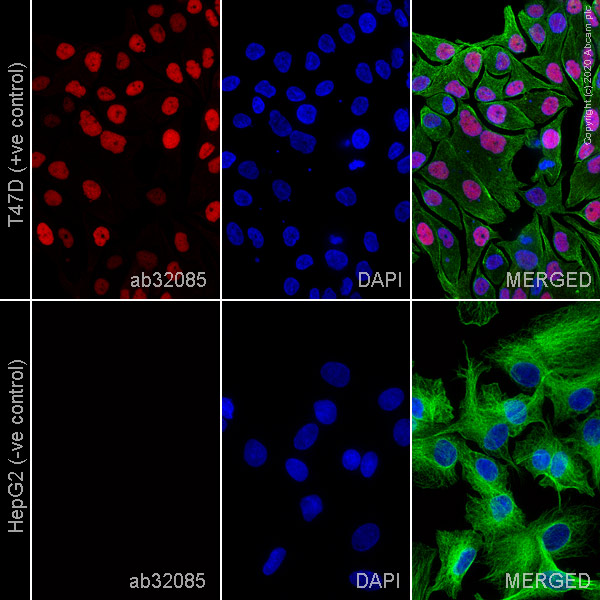
AB32085
Anti-Progesterone Receptor antibody [YR85]
20ul selling size|RabMAb|Recombinant
- 4
- 5
Primary Antibodies
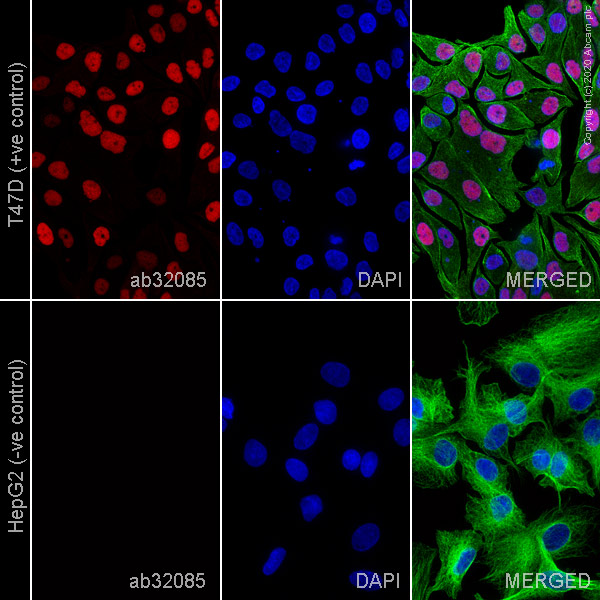
AB206926
Anti-Progesterone Receptor antibody [YR85] - BSA and Azide free
RabMAb|Recombinant
- 0
- 0
Primary Antibodies
AB75857
Anti-Progesterone Receptor (phospho S190) antibody [EP1516Y]
RabMAb|Recombinant

- 0
- 0
組合せ製品
Primary Antibodies
AB183311
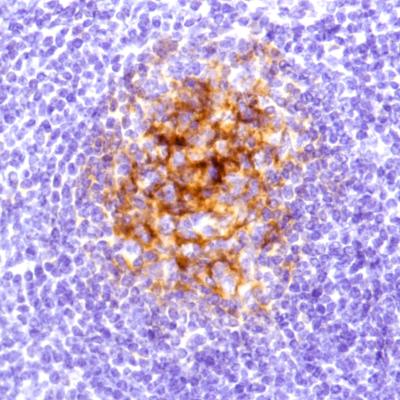
Anti-C4d antibody [SP91] - C-terminal
BOND RX™ Validated|RabMAb|Recombinant|20ul selling size
- 5
- 1
Primary Antibodies
AB108398
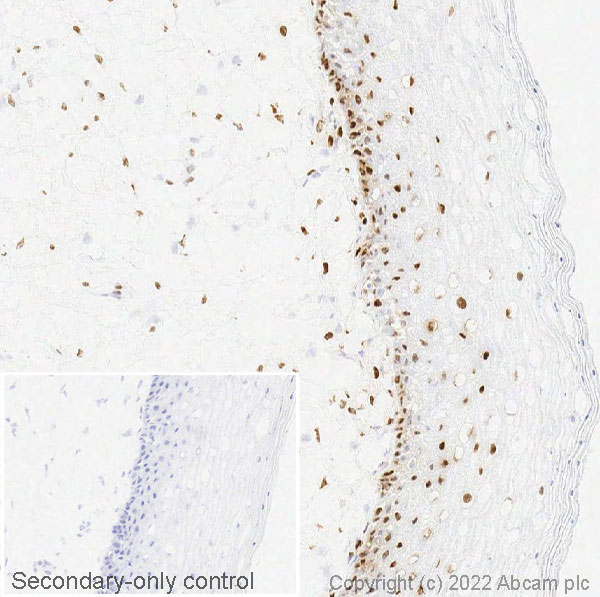
Anti-Estrogen Receptor alpha antibody [EPR4097]
20ul selling size|BOND RX™ Validated|RabMAb®|Recombinant|Lab Essentials|Advanced Validation
- 5
- 12
Primary Antibodies
AB16667
BOND RX™ Validated|KO Validated|RabMAb®|Advanced Validation|Recombinant|20ul selling size

- 5
- 133
Primary Antibodies
AB16662
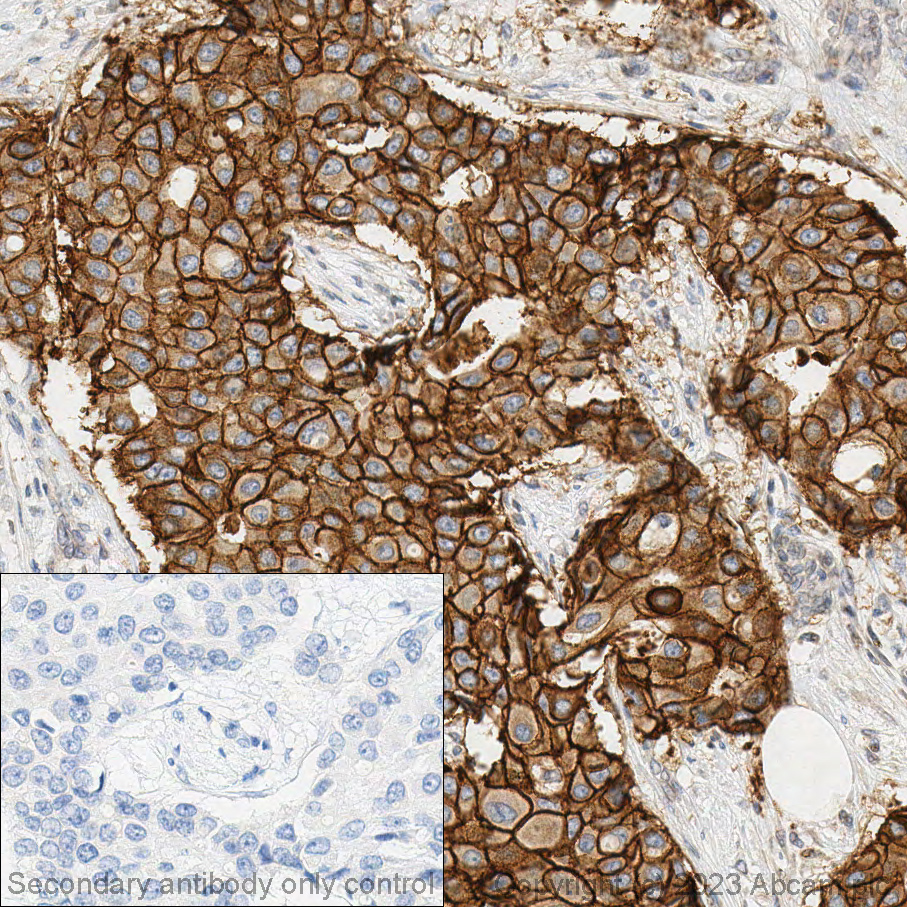
Anti-ErbB2 / HER2 antibody [SP3]
BOND RX™ Validated|RabMAb®|Recombinant|20ul selling size
- 5
- 2
Reactivity data
出荷温度及び保存条件
製品の状態
バッファー組成
出荷温度
短期保存温度
長期保存温度
補足情報
This supplementary information is collated from multiple sources and compiled automatically.
Biological function summary
The progesterone receptor plays a significant role in regulating gene expression related to reproductive processes. PR is not part of a larger complex by itself but interacts with various coactivators and corepressors to modulate transcription. In the uterus and mammary glands PR mediates the effects of progesterone by promoting cell proliferation and preparing tissues for pregnancy. In other systems PR also links to various metabolic and immunological pathways influencing cell cycle progression and immune response.
Pathways
Progesterone receptor activity is integrated within the reproductive hormone signaling pathways and the Wnt signaling pathway. The receptor interacts directly with key proteins such as estrogen receptor (ER) and steroid receptor coactivator (SRC) complexes which are pivotal in modulating response to hormonal signals. These interactions underline the essential role of PR in maintaining hormonal balance and regulating reproductive functions.
製品プロトコール
- Visit the General protocols
- Visit the Troubleshooting
ターゲットの情報
文献 (5)
Recent publications for all applications. Explore the full list and refine your search
Heliyon 10:e26780 PubMed38444488
2024
Applications
Unspecified application
Species
Unspecified reactive species
Journal of cancer metastasis and treatment 3:150-160 PubMed28955730
2017
Applications
Unspecified application
Species
Unspecified reactive species
The breast journal 23:638-646 PubMed28543794
2017
Applications
Unspecified application
Species
Unspecified reactive species
The British journal of radiology 88:20140638 PubMed25429418
2014
Applications
Unspecified application
Species
Unspecified reactive species
European journal of endocrinology 168:351-9 PubMed23211570
2013
Applications
Unspecified application
Species
Unspecified reactive species
Abcam product promise
Please note: All products are 'FOR RESEARCH USE ONLY. NOT FOR USE IN DIAGNOSTIC OR THERAPEUTIC PROCEDURES'.
For licensing inquiries, please contact partnerships@abcam.com