Anti-PD-1/CD279 抗体 [SPM597] - BSA and Azide free
Anti-PD-1/CD279 antibody [SPM597] - BSA and Azide free
Be the first to review this product! Submit a review
|
(0 Publication)
Mouse Monoclonal PD1 antibody. Carrier free. Suitable for IHC-P and reacts with Human samples. Immunogen corresponding to Recombinant Full Length Protein corresponding to Human PD-1/CD279.
別名を表示する
CD279, PD1, PDCD1, Programmed cell death protein 1, Protein PD-1, hPD-1
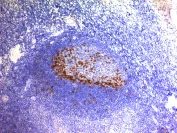
- IHC-P
Supplier Data
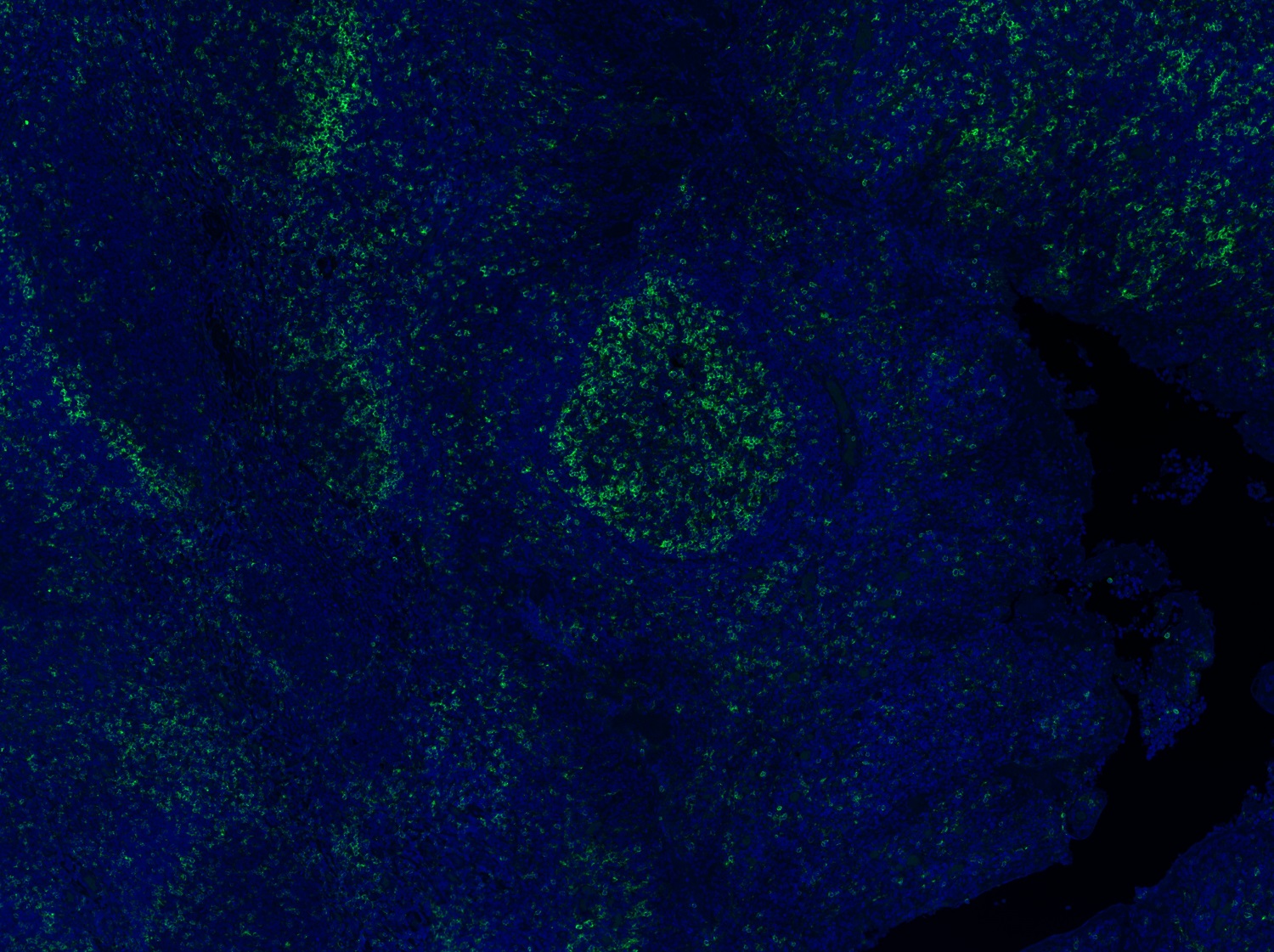
Immunohistochemistry (Formalin/PFA-fixed paraffin-embedded sections) - Anti-PD-1/CD279 antibody [SPM597] - BSA and Azide free (AB269805)
Immunohistochemical analysis of formalin-fixed, paraffin-embedded human tonsil tissue section labeling PD1 with ab218474 at 1 μg/mL.
This data was developed using the same antibody clone in a different buffer formulation containing PBS, BSA, glycerol, and sodium azide (ab218474)
代替製品
Primary Antibodies
AB201811
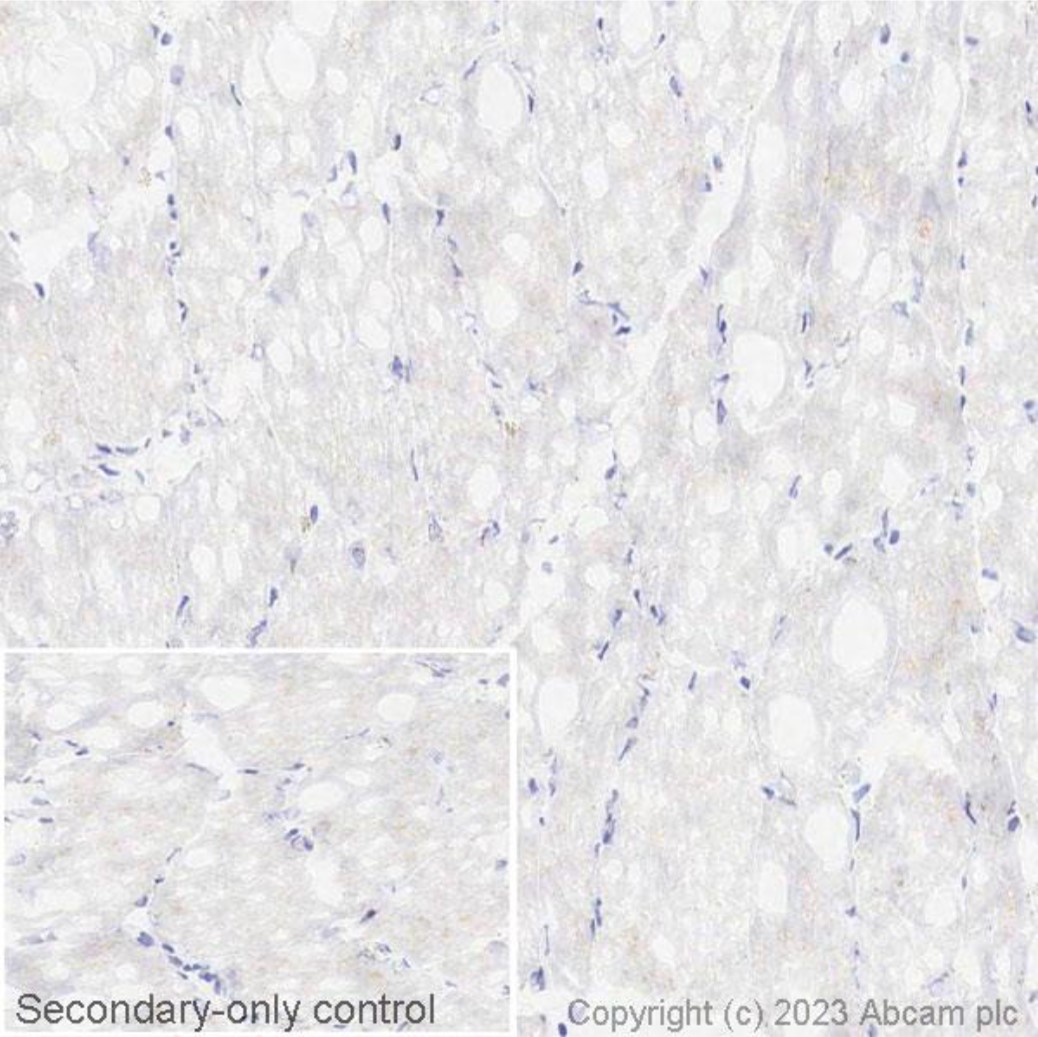
Anti-PD-1/CD279 antibody [NAT105] - BSA and Azide free
BOND RX™ Validated|Recombinant
- 0
- 0
Primary Antibodies
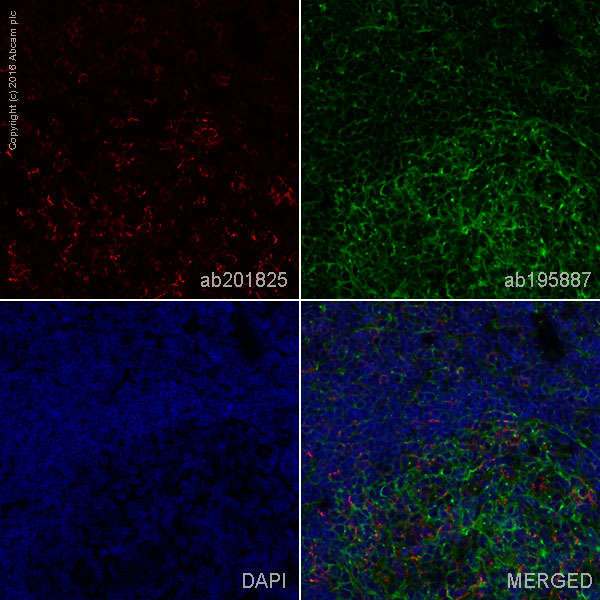
AB201825
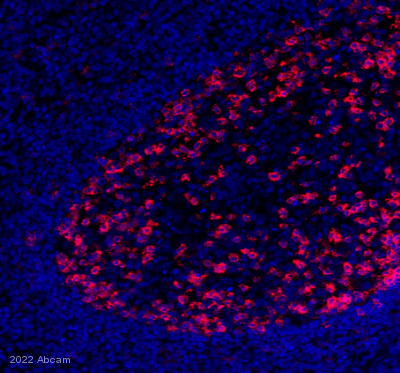
Alexa Fluor® 647 Anti-PD-1/CD279 antibody [EPR4877(2)]
RabMAb|Recombinant
- 5
- 1
Primary Antibodies
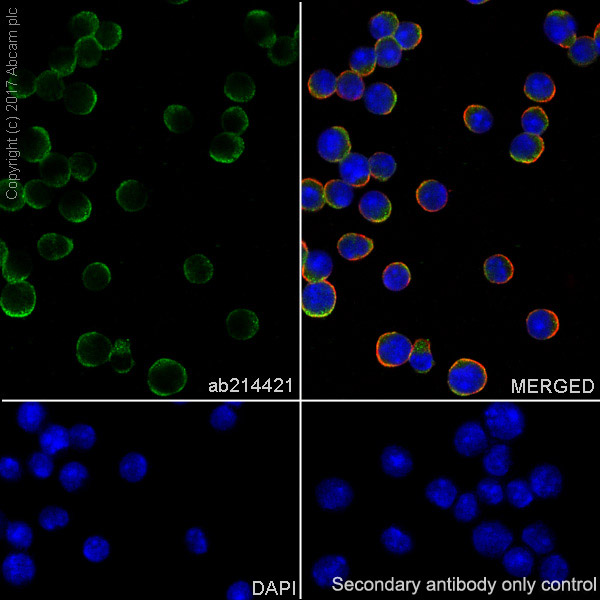
AB214421
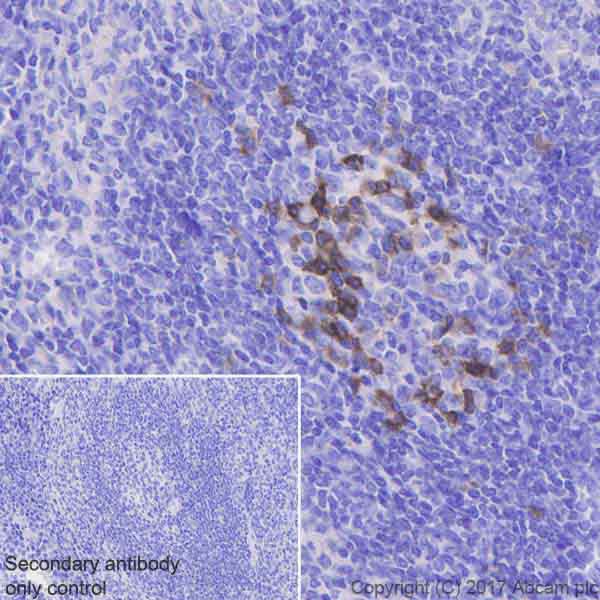
Anti-PD-1/CD279 antibody [EPR20665]
20ul selling size|RabMAb|Recombinant
- 4
- 3
Primary Antibodies
AB228857
Anti-PD-1/CD279 antibody [EPR20665] - BSA and Azide free
RabMAb|Recombinant
- 4
- 2
Primary Antibodies
AB186928
Anti-PD-1/CD279 antibody [EPR4877(2)] - BSA and Azide free
BOND RX™ Validated|RabMAb|Recombinant
- 1
- 1
Primary Antibodies
AB137132
Anti-PD-1/CD279 antibody [EPR4877(2)]
BOND RX™ Validated|20ul selling size|RabMAb|Recombinant

- 5
- 5
Primary Antibodies
AB206378
Anti-PD-1/CD279 (phospho Y248) antibody [EPR19821]
20ul selling size|RabMAb|Recombinant|Trial Size

- 0
- 0
Primary Antibodies
AB234960
Anti-PD-1/CD279 (phospho Y248) antibody [EPR19821] - BSA and Azide free
RabMAb|Recombinant

- 0
- 0
組合せ製品
Primary Antibodies
AB133616
BOND RX™ Validated|RabMAb|Recombinant|Lab Essentials|20ul selling size
- 5
- 20
Primary Antibodies
AB216000
Anti-FOXP3 antibody [EPR15038-69] - BSA and Azide free
BOND RX™ Validated|RabMAb|Recombinant

- 5
- 2
Primary Antibodies
AB52632
Anti-CD11c antibody [EP1347Y] - C-terminal
BOND RX™ Validated|20ul selling size|RabMAb|Recombinant

- 5
- 18
Primary Antibodies
AB16669
Anti-CD3 epsilon antibody [SP7]
BOND RX™ Validated|RabMAb|Advanced Validation|Recombinant|Lab Essentials|20ul selling size

- 4
- 80
Reactivity data
製品の詳細
ab269805 is a carrier free version of ab218474.
Conjugation ready
Our carrier-free antibodies are typically supplied in a PBS-only formulation, purified and free of BSA, sodium azide and glycerol. This conjugation-ready format is designed for use with fluorochromes, metal isotopes, oligonucleotides, and enzymes, which makes them ideal for antibody labelling, functional and cell-based assays, flow-based assays (e.g. mass cytometry) and Multiplex Imaging applications.
Use our conjugation kits for antibody conjugates that are ready-to-use in as little as 20 minutes with 1 minute hands-on-time and 100% antibody recovery: available for fluorescent dyes, HRP, biotin and gold.
Compatibility
This product is compatible with the Maxpar® Antibody Labeling Kit from Fluidigm, without the need for antibody preparation. Maxpar® is a trademark of Fluidigm Canada Inc.
出荷温度及び保存条件
製品の状態
精製方法
バッファー組成
出荷温度
短期保存期間
短期保存温度
長期保存温度
分注に関する情報
保管に関する情報
補足情報
This supplementary information is collated from multiple sources and compiled automatically.
Biological function summary
PD1 serves as an inhibitory receptor acting as a checkpoint in the immune system. It becomes part of an immune-suppressive complex when it binds with its ligands PD-L1 or PD-L2 which are expressed on various cell types including some tumor cells. This interaction suppresses the proliferation of T cells and cytokine production contributing to immune homeostasis. By controlling T cell activity PD1 limits autoimmunity but can also reduce the immune system's capability to attack cancer cells.
Pathways
PD1 functions in the immune checkpoint pathway a critical regulatory circuit in immune regulation. The engagement of PD1 with its ligands initiates a cascade that inhibits the function and proliferation of T cells through downstream SHP-2 phosphatase activity. This pathway frequently involves other regulatory proteins like CTLA-4 and is an important mechanism by which the body modulates immune responses. Related pathways often intersect with those involving T cell receptor signaling and contribute to the overall modulation of immune activity.
製品プロトコール
- Visit the General protocols
- Visit the Troubleshooting
ターゲットの情報
Abcam product promise
Please note: All products are 'FOR RESEARCH USE ONLY. NOT FOR USE IN DIAGNOSTIC OR THERAPEUTIC PROCEDURES'.
For licensing inquiries, please contact partnerships@abcam.com