Anti-LAMP1/CD107a 抗体 - Lysosome Marker
Anti-LAMP1/CD107a antibody - Lysosome Marker
- Lab Essentials
- 詳細を見る
4
(4 Reviews)
|
(32 Publications)
- ICC
Supplier Data
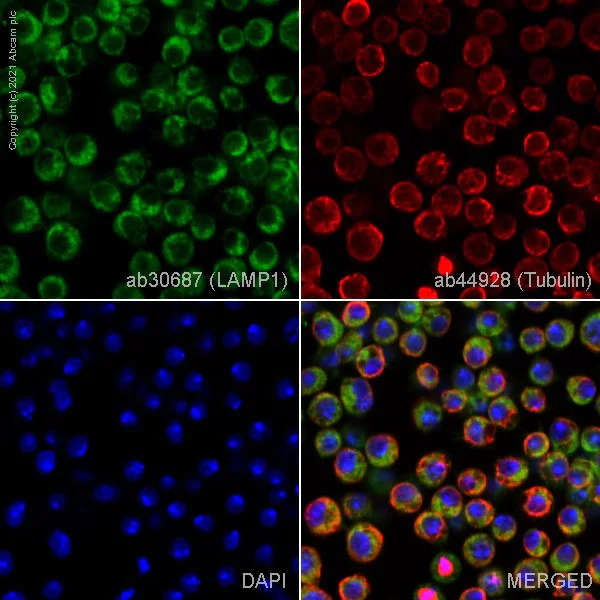
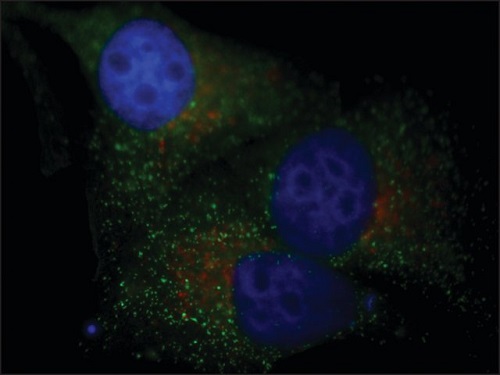
Immunocytochemistry - Anti-LAMP1/CD107a antibody - Lysosome Marker (AB30687)
ab30687 staining LAMP1 in Drosophila S2 Schneider cells. The cells were fixed with 100% methanol (5 min) then permeabilized with 0.1% Triton X-100 for 5 minutes and then blocked with 1% BSA/10% normal goat serum/0.3M glycine in 0.1% PBS-Tween for 1h. The cells were then incubated with ab30687 at 0.2μg/ml concentration and ab44928 (Mouse monoclonal to Tubulin) at 0.2μg/ml concentration overnight at 4°C followed by a further incubation at room temperature for 1h with a goat secondary antibody to rabbit IgG (Alexa Fluor® 488) (ab150081) at 2μg/ml (shown in green) and a goat secondary antibody to mouse IgG (Alexa Fluor® 594) (ab150120) at 2μg/ml (shown in red). Nuclear DNA was labelled in blue with DAPI.
Image was taken with a confocal microscope (Leica-Microsystems TCS SP8).
代替製品
Primary Antibodies
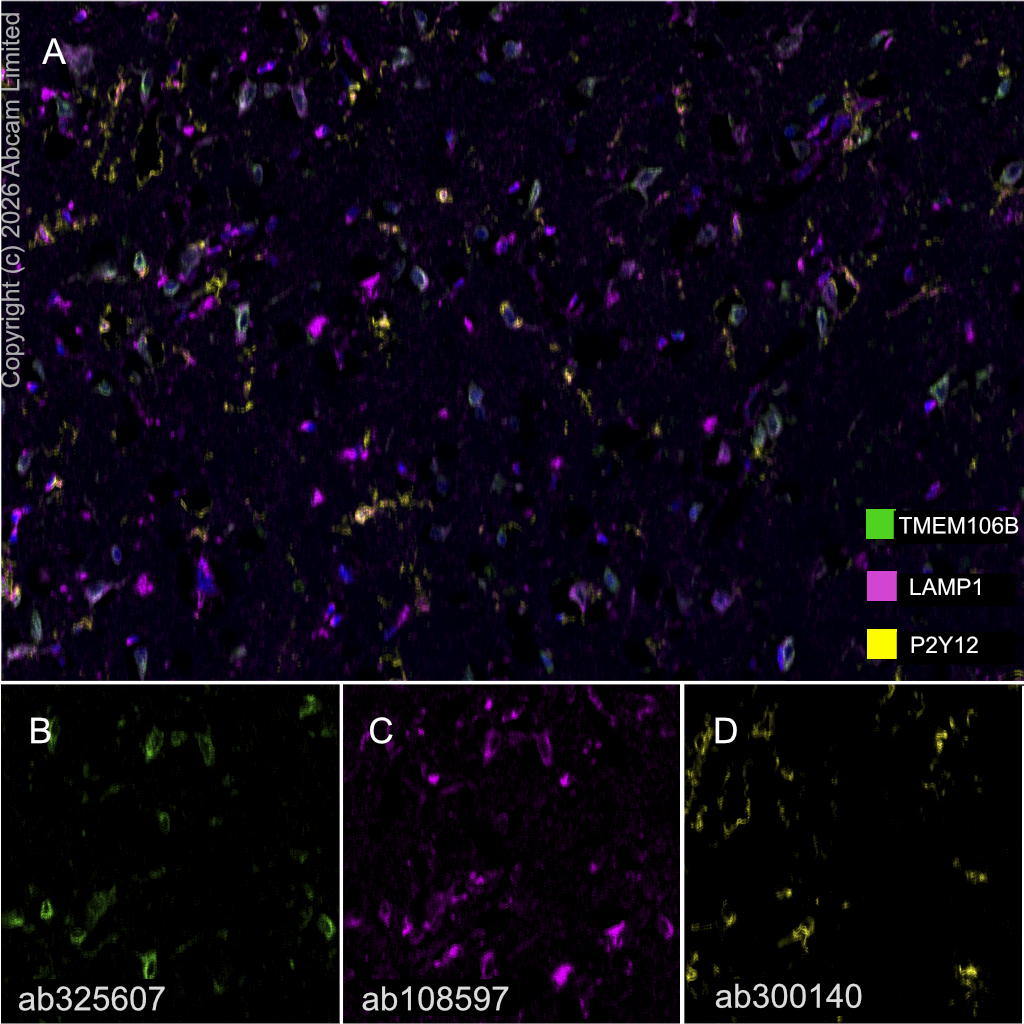
AB108597
Anti-LAMP1/CD107a antibody [EPR4204] - Lysosome Marker
20ul selling size|BOND RX™ Validated|KO Validated|RabMAb|Recombinant|Lab Essentials
- 4
- 4
Primary Antibodies
AB187591
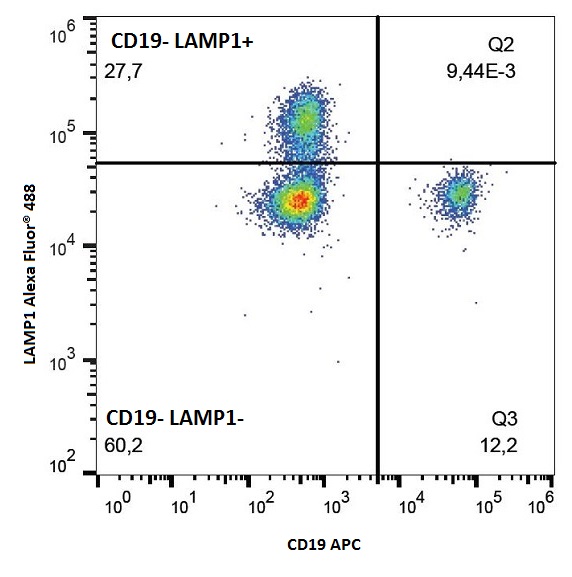
Alexa Fluor® 488 Anti-LAMP1/CD107a antibody [H4A3] - Lysosome Marker
- 0
- 0
Primary Antibodies
AB25245
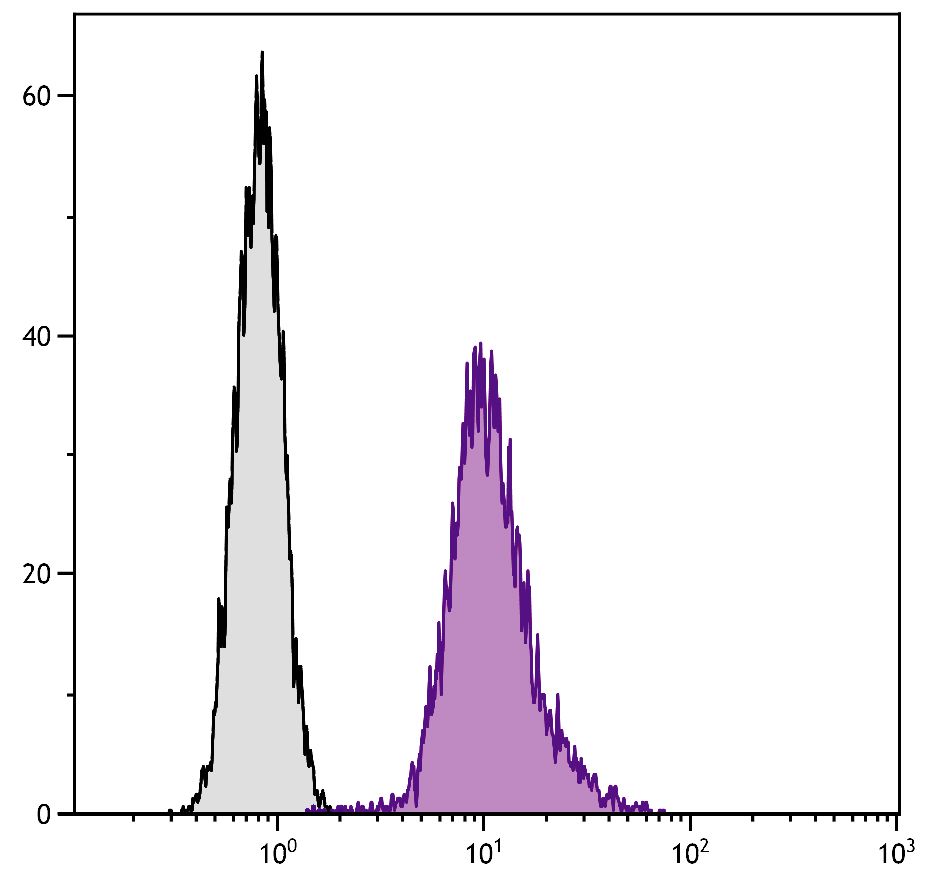
Anti-LAMP1/CD107a antibody [1D4B] - Lysosome Marker
BOND RX™ Validated
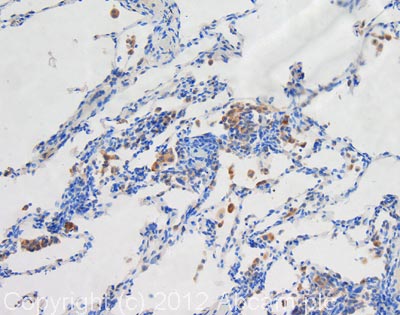
- 4
- 20
Primary Antibodies
AB24170
Anti-LAMP1/CD107a antibody - Lysosome Marker
BOND RX™ Validated|Lab Essentials

- 4
- 100
Primary Antibodies
AB208943
Anti-LAMP1/CD107a antibody [EPR21026] - Lysosome Marker
20ul selling size|BOND RX™ Validated|RabMAb|Recombinant
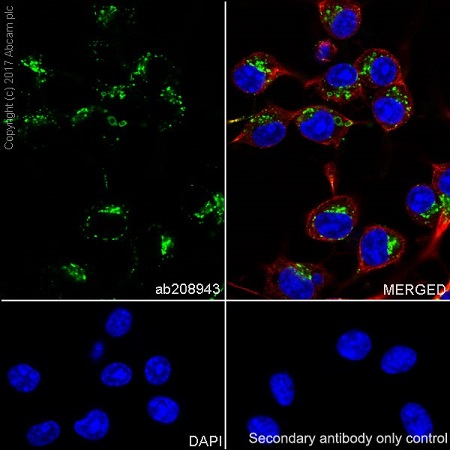
- 4
- 2
Primary Antibodies
AB225762
Anti-LAMP1/CD107a antibody [EPR21026] - BSA and Azide free
BOND RX™ Validated|RabMAb|Recombinant
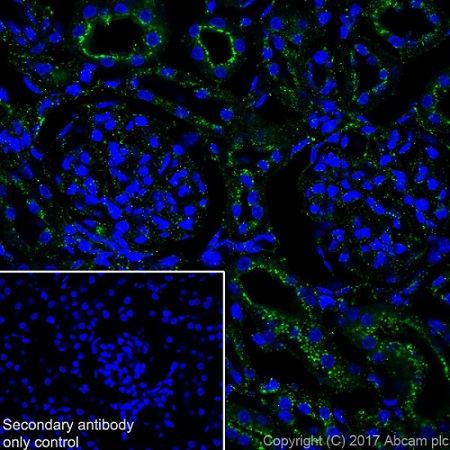
- 0
- 0
Primary Antibodies
AB25630
Anti-LAMP1/CD107a antibody [H4A3] - Lysosome Marker
BOND RX™ Validated|KO Validated
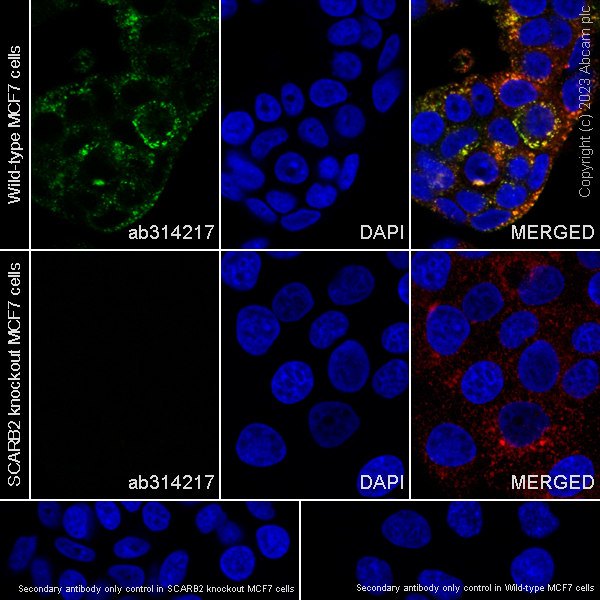
- 4
- 23
Primary Antibodies
AB247693
Anti-LAMP1/CD107a antibody [EPR4204] - BSA and Azide free
BOND RX™ Validated|RabMAb|Recombinant|KO Validated

- 0
- 0
組合せ製品
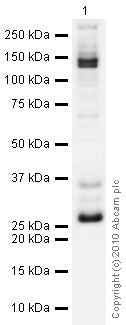
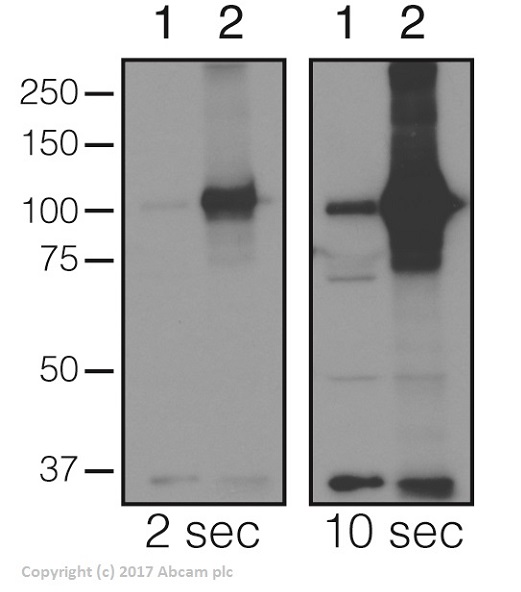
Primary Antibodies
AB278043
Anti-LAMP1/CD107a antibody [EPR24395-31] - Lysosome Marker
BOND RX™ Validated|RabMAb|KO Validated|Recombinant|20ul selling size
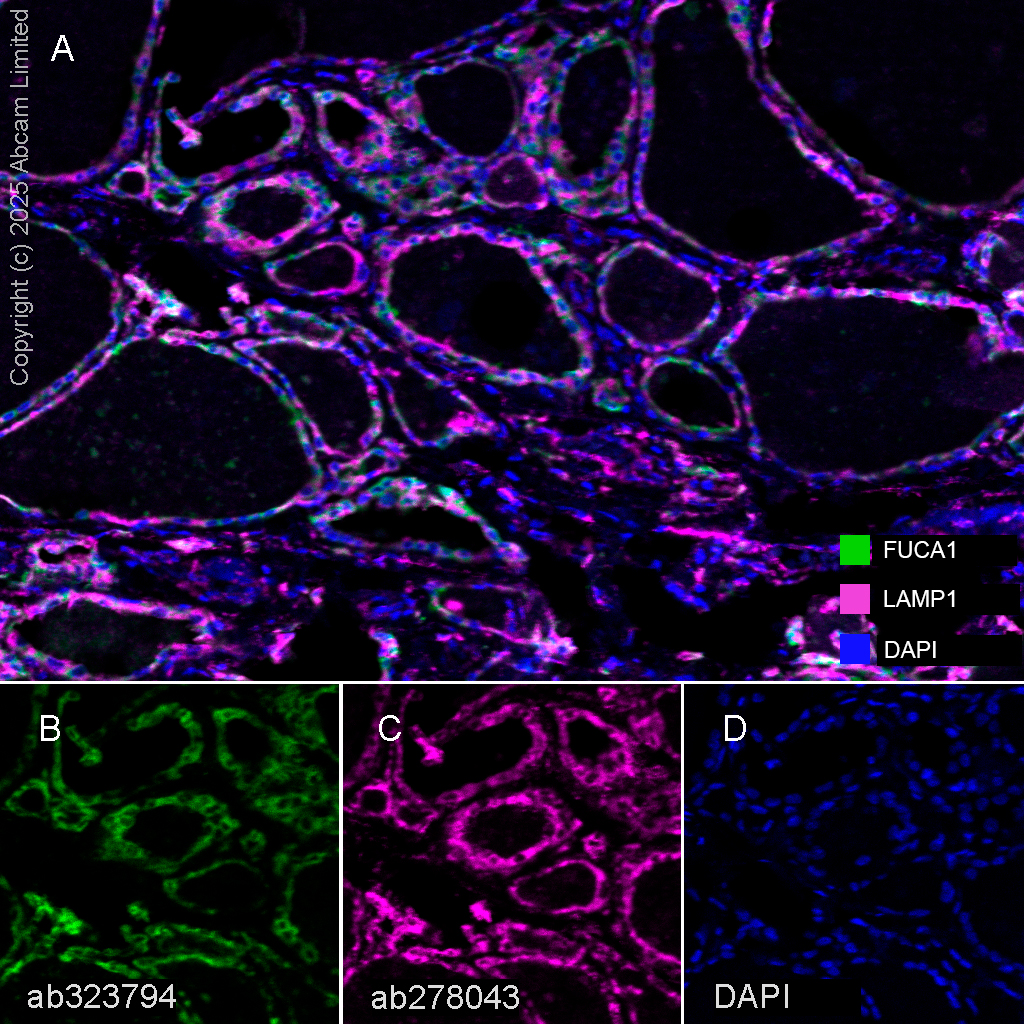
- 0
- 0
Primary Antibodies
AB183734
RabMAb|Recombinant|Lab Essentials|20ul selling size
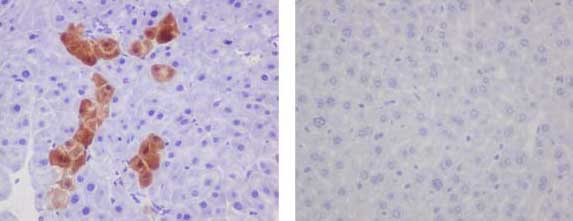
- 5
- 24
Reactivity data
出荷温度及び保存条件
製品の状態
精製方法
バッファー組成
出荷温度
短期保存期間
短期保存温度
長期保存温度
分注に関する情報
保管に関する情報
補足情報
This supplementary information is collated from multiple sources and compiled automatically.
Biological function summary
LAMP1 functions to protect lysosomal membranes from the harsh environment inside the lysosome. It forms part of a protective glycocalyx composed of highly glycosylated proteins supporting lysosomal stability. This protein interacts closely with other lysosome markers and assists in the fusion of vesicles with lysosomes making it fundamental to lysosomal processes. As a lysosome marker LAMP1 helps identify lysosomal compartments during studies involving microscopy and LAMP1 staining.
Pathways
The protein LAMP1 participates in the autophagy and endocytic pathways. It acts collaboratively within the lysosomal degradation route involving proteins like LAMP2 which also supports lysosomal function. LAMP1 influences these pathways by mediating the fusion of autophagosomes or endosomes with lysosomes thereby ensuring efficient breakdown of cellular debris and macromolecules.
製品プロトコール
- Visit the General protocols
- Visit the Troubleshooting
ターゲットの情報
文献 (32)
Recent publications for all applications. Explore the full list and refine your search
Cell death & disease 16:328 PubMed40263294
2025
Applications
Unspecified application
Species
Unspecified reactive species
Autophagy 20:131-150 PubMed37649246
2023
Applications
Unspecified application
Species
Unspecified reactive species
iScience 26:107335 PubMed37529104
2023
Applications
Unspecified application
Species
Unspecified reactive species
Nature 617:798-806 PubMed37138087
2023
Applications
Unspecified application
Species
Unspecified reactive species
Development (Cambridge, England) 150: PubMed36861793
2023
Applications
Unspecified application
Species
Unspecified reactive species
Aging cell 21:e13715 PubMed36259256
2022
Applications
Unspecified application
Species
Unspecified reactive species
Journal of extracellular vesicles 11:e12263 PubMed36103151
2022
Applications
Unspecified application
Species
Unspecified reactive species
Autophagy 19:1199-1220 PubMed36048753
2022
Applications
Unspecified application
Species
Unspecified reactive species
JCI insight 7: PubMed35801587
2022
Applications
Unspecified application
Species
Unspecified reactive species
eLife 10: PubMed33667157
2021
Applications
Unspecified application
Species
Unspecified reactive species
Abcam product promise
Please note: All products are 'FOR RESEARCH USE ONLY. NOT FOR USE IN DIAGNOSTIC OR THERAPEUTIC PROCEDURES'.
For licensing inquiries, please contact partnerships@abcam.com