Rabbit Recombinant Monoclonal KAP1 phospho S824 antibody. Suitable for IHC-P, IP, WB, ICC/IF and reacts with Human, Mouse samples. Cited in 1 publication. Immunogen corresponding to Synthetic Peptide within Human TRIM28 pS824.
別名を表示する
KAP1, RNF96, TIF1B, TRIM28, Transcription intermediary factor 1-beta, TIF1-beta, E3 SUMO-protein ligase TRIM28, KRAB-associated protein 1, KRAB-interacting protein 1, Nuclear corepressor KAP-1, RING finger protein 96, RING-type E3 ubiquitin transferase TIF1-beta, Tripartite motif-containing protein 28, KAP-1, KRIP-1
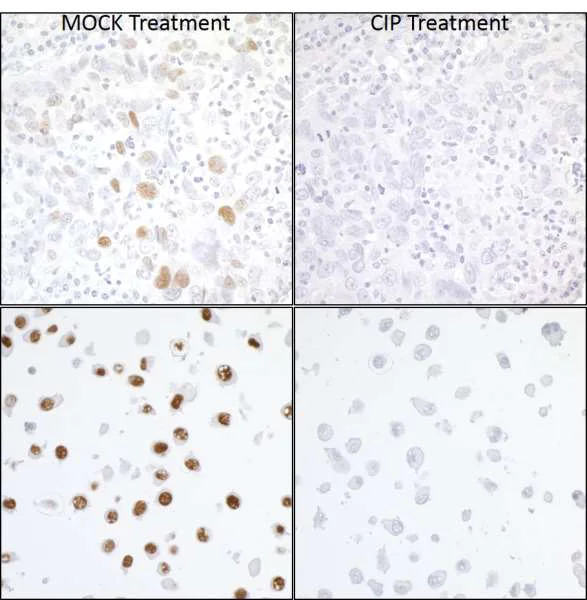
- IHC-P
Unknown
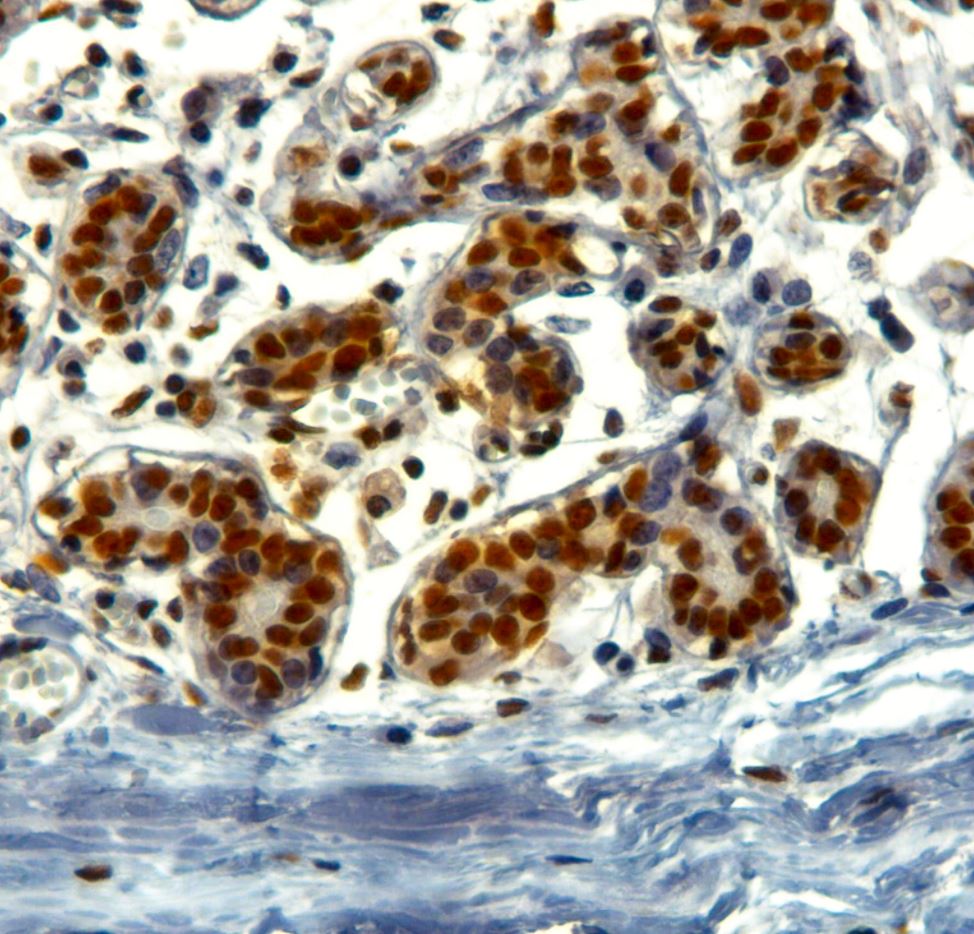
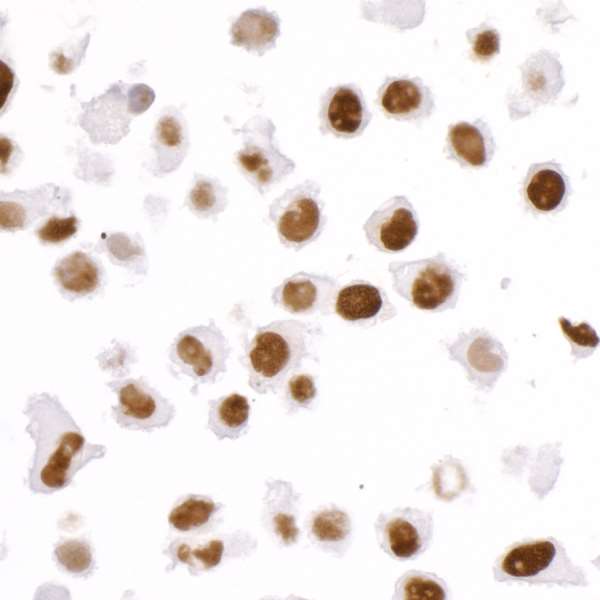
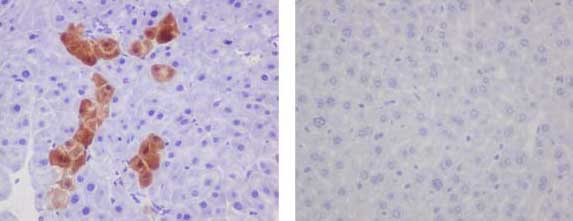
Immunohistochemistry (Formalin/PFA-fixed paraffin-embedded sections) - Anti-KAP1 (phospho S824) antibody [BL-246-7B5] - BSA free (AB272068)
Formalin-fixed, paraffin-embedded human breast carcinoma tissue and serial sections of etoposide treated HeLa cells stained for KAPI (phospho S824) using ab243870 at 1/100 dilution in immunohistochemical analysis. Mock phosphatase treated sections (left) and calf intestinal phosphatase-treated sections (right) are also shown. A HRP-conjugated goat anti-rabbit IgG was used as the secondary. DAB staining.This data was developed using the same antibody clone in a different buffer formulation containing Borate buffered saline, BSA, glycerol and sodium azide (ab243870).
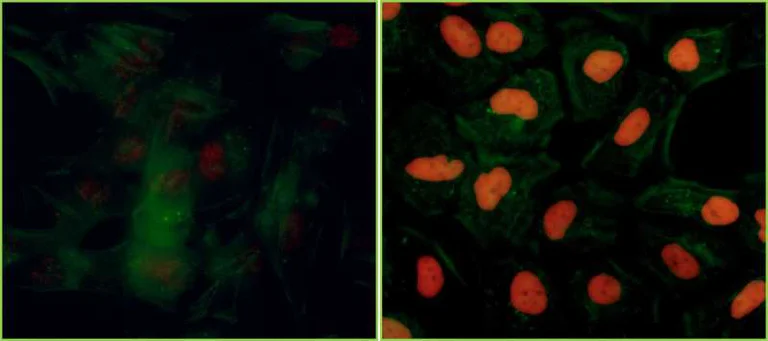
- ICC/IF
Unknown
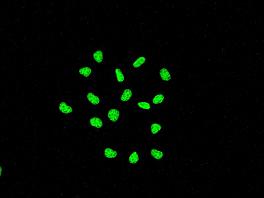
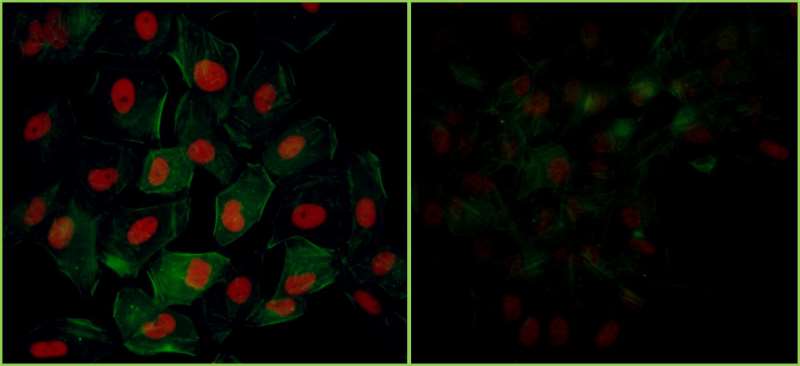
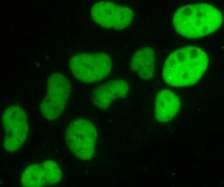
Immunocytochemistry/ Immunofluorescence - Anti-KAP1 (phospho S824) antibody [BL-246-7B5] - BSA free (AB272068)
Formaldehyde-fixed HeLa (human epithelial cell line from cervix adenocarcinoma) cells treated with etoposide (right) or untreated (left) labeling KAP-1 (phospho S824) (red) using ab243862 at 1/100 dilution in ICC analysis. DyLight® 594-conjugated goat anti-rabbit IgG was used as the secondary antibody. Counterstain : Phalloidin conjugated Alexa Fluor® 488 (green).
This data was developed using the same antibody clone in a different buffer formulation containing Borate buffered saline, BSA, glycerol and sodium azide (ab243870).
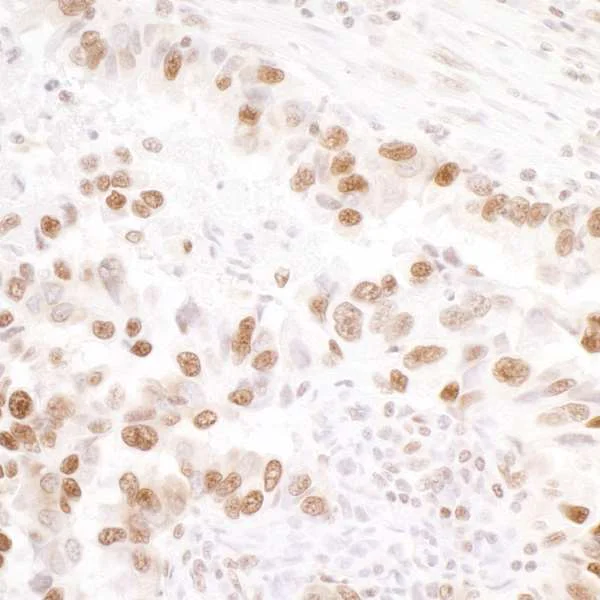
- IHC-P
Unknown
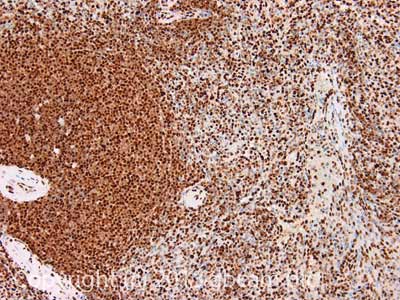
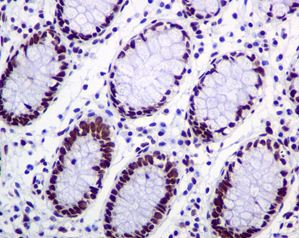
Immunohistochemistry (Formalin/PFA-fixed paraffin-embedded sections) - Anti-KAP1 (phospho S824) antibody [BL-246-7B5] - BSA free (AB272068)
Formalin-fixed, paraffin-embedded human lung carcinoma tissue stained for KAPI (phospho S824) using ab243870 at 1/100 dilution in immunohistochemical analysis. A HRP-conjugated goat anti-rabbit IgG was used as the secondary. DAB staining.This data was developed using the same antibody clone in a different buffer formulation containing Borate buffered saline, BSA, glycerol and sodium azide (ab243870).
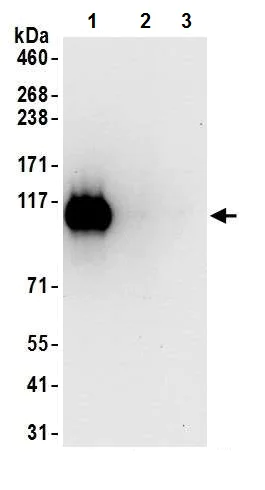
- IP
Unknown
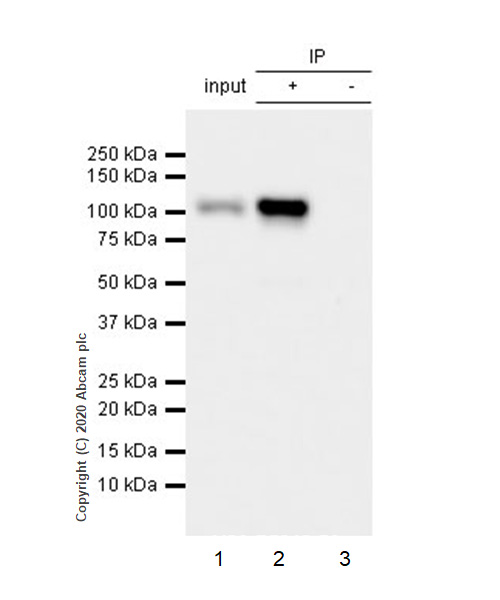
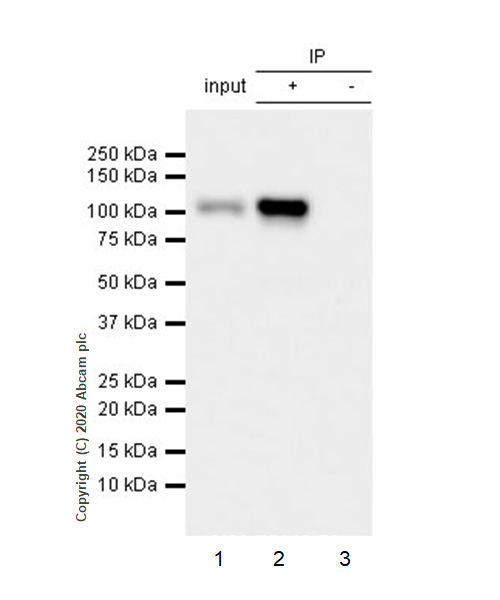
Immunoprecipitation - Anti-KAP1 (phospho S824) antibody [BL-246-7B5] - BSA free (AB272068)
KAP1 (phospho S824) was immunoprecipitated from 1 mg HEK-293T whole cell lysate treated with 100 μM etoposide or untreated, using ab243870 at 20 μl per reaction. Western blot was performed on the immunoprecipitate using ab243870 at 1/1000 dilution.
Lane 1 : ab243870 IP in HEK-293T cell lysate treated with 100 μM etoposide.
Lane 2 : ab243870 Ip in untreated HEK-293T whole cell lysate.
Lane 3 : Control IgG in HEK-293T whole cell lysate treated with 100 μM etoposide.
Detection : Chemiluminescence with an exposure time of 10 seconds
This data was developed using the same antibody clone in a different buffer formulation containing Borate buffered saline, BSA, glycerol and sodium azide (ab243870).
All lanes:
Immunoprecipitation - Anti-KAP1 (phospho S824) antibody [BL-246-7B5] (<a href='/products/primary-antibodies/kap1-phospho-s824-antibody-bl-246-7b5-ab243870'>ab243870</a>)
Predicted band size: 88 kDa
false
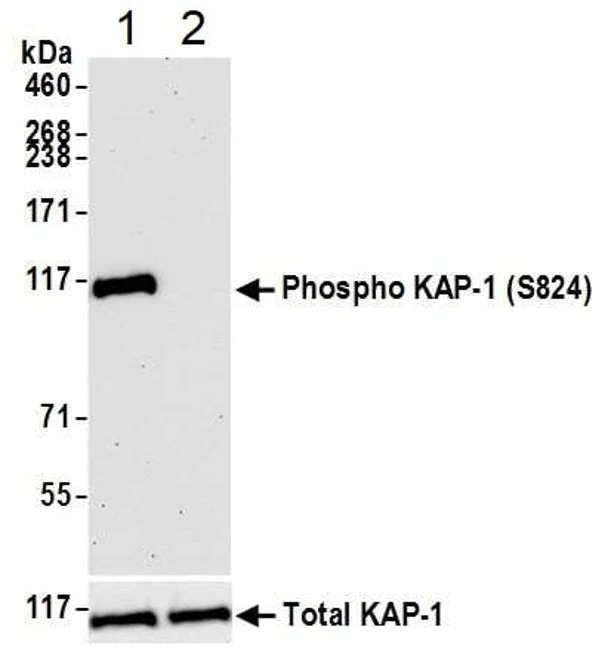
- WB
Supplier Data
Western blot - Anti-KAP1 (phospho S824) antibody [BL-246-7B5] - BSA free (AB272068)
All lanes:
Western blot - Anti-KAP1 (phospho S824) antibody [BL-246-7B5] - BSA free (ab272068) at 1/1000 dilution
Lane 1:
HEK-293T (Human epithelial cell line from embryonic kidney transformed with large T antigen) whole cell lysate, treated with 100 µM etoposide at 15 µg
Lane 2:
HEK-293T (Human epithelial cell line from embryonic kidney transformed with large T antigen) whole cell lysate, mock treated at 15 µg
Secondary
All lanes:
HRP-conjugated goat anti-rabbit IgG antibody
Predicted band size: 88 kDa
false
Exposure time: 30s
関連する標識済み抗体及び組成の異なる製品 (1)
-
Anti-KAP1 (phospho S824) antibody [BL-246-7B5]
代替製品


Primary Antibodies
AB109287
RabMAb|Recombinant|KO Validated|20ul selling size
- 5
- 4
Primary Antibodies
AB133440
Anti-KAP1 (phospho S824) antibody [EPR5248]
RabMAb|Recombinant|KO Validated
- 5
- 1
Primary Antibodies
AB215549
Anti-KAP1 (phospho S824) antibody [EPR5248] - BSA and Azide free
RabMAb|Recombinant|KO Validated
- 0
- 0
Primary Antibodies
AB215550
Anti-KAP1 antibody [EPR5217] - BSA and Azide free
RabMAb|Recombinant|KO Validated
- 0
- 0
組合せ製品

Primary Antibodies
AB81292
Anti-ATM (phospho S1981) antibody [EP1890Y]
RabMAb|Recombinant|20ul selling size

- 5
- 18
Primary Antibodies
AB183734
RabMAb|Recombinant|Lab Essentials|20ul selling size
- 5
- 24
Primary Antibodies
AB76420
Anti-RPA32/RPA2 antibody [EPR2877Y]
20ul selling size|RabMAb|Recombinant

- 5
- 1
Reactivity data
製品の詳細
ab272068 is the BSA-free version of ab243870.
REACH authorisation
Abcam has not and does not intend to apply for the REACH Authorisation of customers' uses of products that contain European Authorisation list (Annex XIV) substances.
It is the responsibility of our customers to check the necessity of application of REACH Authorisation, and any other relevant authorisations, for their intended uses.
This product is sold under License from Bethyl Laboratories, Inc.
出荷温度及び保存条件
製品の状態
精製に関する特記事項
バッファー組成
出荷温度
短期保存期間
短期保存温度
長期保存温度
分注に関する情報
保管に関する情報
補足情報
This supplementary information is collated from multiple sources and compiled automatically.
Biological function summary
KAP1 acts as a scaffold protein facilitating the assembly of large protein complexes that include chromatin remodelers and histone deacetylases. It is significant in maintaining chromatin structure and mediating gene silencing. KAP1 phosphorylation serves as a switch between its roles in transcriptional repression and activation. This protein also interacts with heterochromatin protein 1 (HP1) and other TRIM family proteins playing an important role in genomic stability by controlling gene expression and repair mechanisms.
Pathways
KAP1 participates actively in p53 and DNA damage response pathways. In the p53 pathway KAP1 regulates genes involved in the cell cycle and apoptosis acting in conjunction with the p53 protein. Within the DNA damage response KAP1 modulates the repair of double-strand breaks by interacting with proteins like ATM kinase influencing cellular sensitivity to genotoxic stress. These pathways highlight its importance in maintaining cellular homeostasis and response to external stimuli.
製品プロトコール
- Visit the General protocols
- Visit the Troubleshooting
ターゲットの情報
文献 (1)
Recent publications for all applications. Explore the full list and refine your search
Acta pharmaceutica Sinica. B 15:1415-1429 PubMed40370549
2025
Applications
Unspecified application
Species
Unspecified reactive species
Abcam product promise
Please note: All products are 'FOR RESEARCH USE ONLY. NOT FOR USE IN DIAGNOSTIC OR THERAPEUTIC PROCEDURES'.
For licensing inquiries, please contact partnerships@abcam.com