Anti-GATA3 抗体 [KT77]
Anti-GATA3 antibody [KT77]
Be the first to review this product! Submit a review
|
(4 Publications)
Rat Monoclonal GATA3 antibody. Suitable for WB, ICC/IF and reacts with Mouse samples. Cited in 4 publications. Immunogen corresponding to Full Length Protein corresponding to Mouse Gata3.
別名を表示する
Gata-3, Gata3, Trans-acting T-cell-specific transcription factor GATA-3, GATA-binding factor 3
- ICC/IF
CiteAb
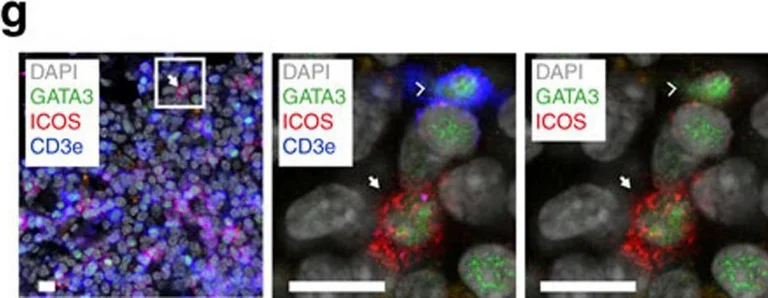
Immunocytochemistry/ Immunofluorescence - Anti-GATA3 antibody [KT77] (AB110093)
Immunocytochemistry-immunofluorescence using Anti-GATA3 antibody [KT77], ab110093. Publication image from Sage, A. P. et al., 2017, Nat Commun, 28589929. Legend direct from paper.
ILC2 in para-aortic adipose tissue and FALCs of atherosclerotic mice.Flow cytometric analysis (a) and quantification (b,c) of ILC2 present in the para-aortic adipose tissue (AT) show a phenotype similar to KLRG1hi ST2− ILC2 (iILC2-like) in the lymph node in contrast to KLRG1+ ST2+ ILC2 (nILC2-like) prevalent in the peri-gonadal WAT. Mean fluorescence intensity (MFI) for ST2 expression in ILC2 is shown in c. Bars represent mean values. (d) Oil red O and Haematoxylin show that FALCs are present in the para-aortic AT of aged Apoe−/− mice (78–80 weeks of age n=10, scale bar 100 µm) (e) and that Apoe−/− FALCs are greater in both number and size compared to WT (f). Immunoflorescence staining demonstrates that para-aortic FALCs are rich in CD3+ T cells, B220+ B cells and CD138+ plasma cells. CD35+ follicular dendritic cells were absent from these structures (scale bar 50 µm). Additionally, para-aortic FALC-resident CD3− GATA3+ ICOS+ ILC2 cells were also detected (g, scale bar 10 µm). Representative images shown. Graph data points represent individual mice. Statistical significance was determined by Mann–Whitney U-test.
代替製品
Primary Antibodies
AB186371
Anti-GATA3 (phospho S308) antibody [EPR18118]
20ul selling size|BOND RX™ Validated|RabMAb|Recombinant
- 5
- 1
Primary Antibodies
AB240298
Anti-GATA3 (phospho S308) antibody [EPR18118] - BSA and Azide free
BOND RX™ Validated|RabMAb|Recombinant
- 0
- 0
Primary Antibodies
AB214804
Anti-GATA3 antibody [EPR16651] - BSA and Azide free
BOND RX™ Validated|RabMAb|Recombinant|KO Validated
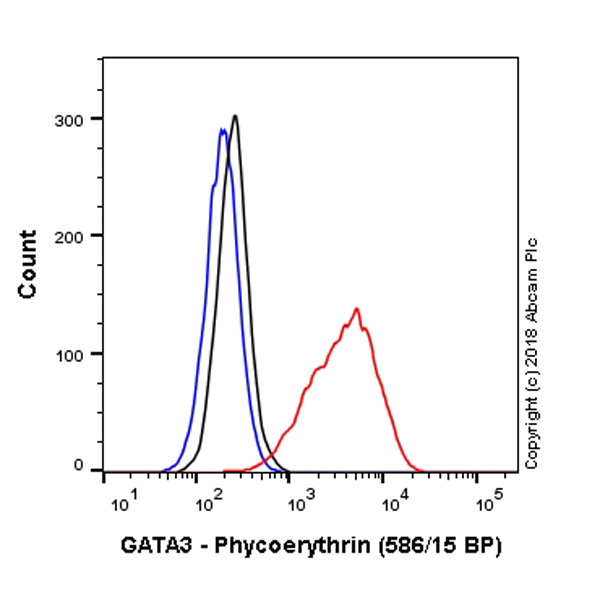
- 3
- 2
Primary Antibodies
AB199428
Anti-GATA3 antibody [EPR16651] - ChIP Grade
20ul selling size|BOND RX™ Validated|RabMAb|Recombinant|KO Validated

- 5
- 14
組合せ製品
Primary Antibodies
AB183734
RabMAb|Recombinant|Lab Essentials|20ul selling size
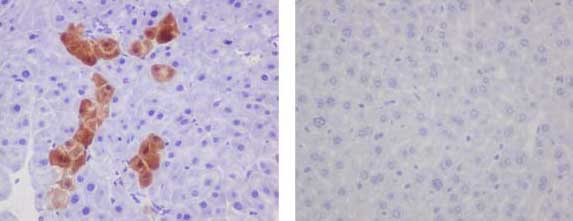
- 5
- 24
Primary Antibodies
AB76541
RabMAb|Recombinant|Advanced Validation
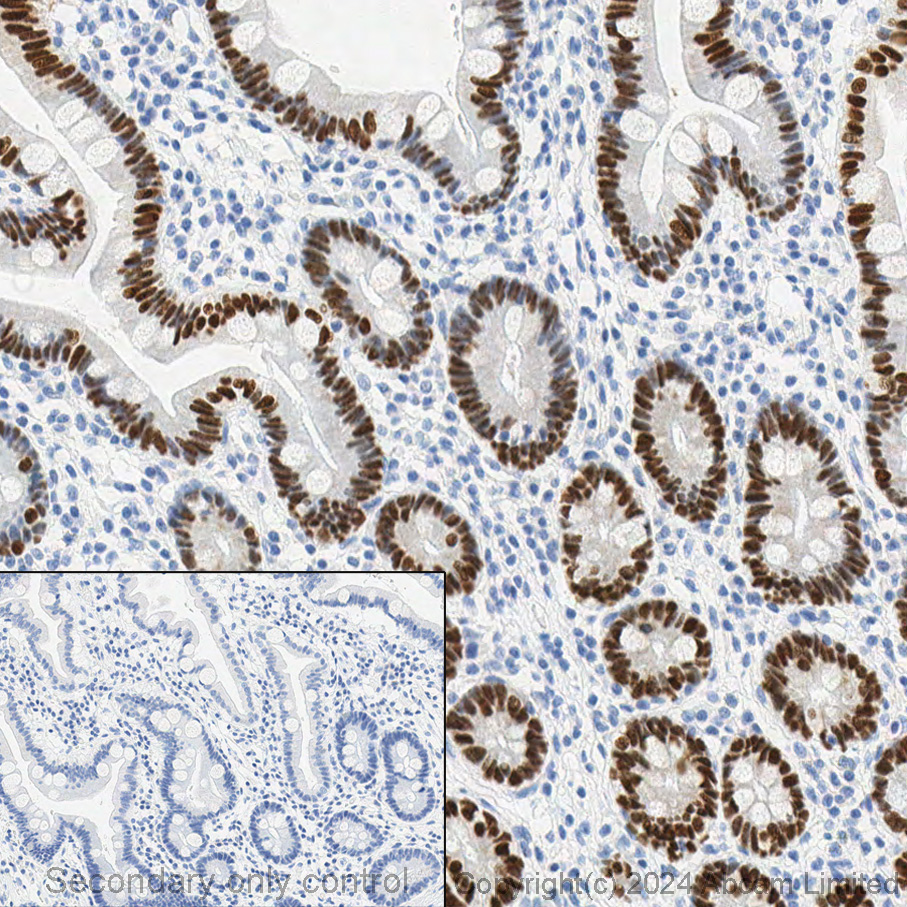
- 4
- 17
Primary Antibodies
AB16667
BOND RX™ Validated|KO Validated|RabMAb|Advanced Validation|Recombinant|20ul selling size

- 5
- 133
Primary Antibodies
AB124762
BOND RX™ Validated|20ul selling size|RabMAb|Advanced Validation|Recombinant
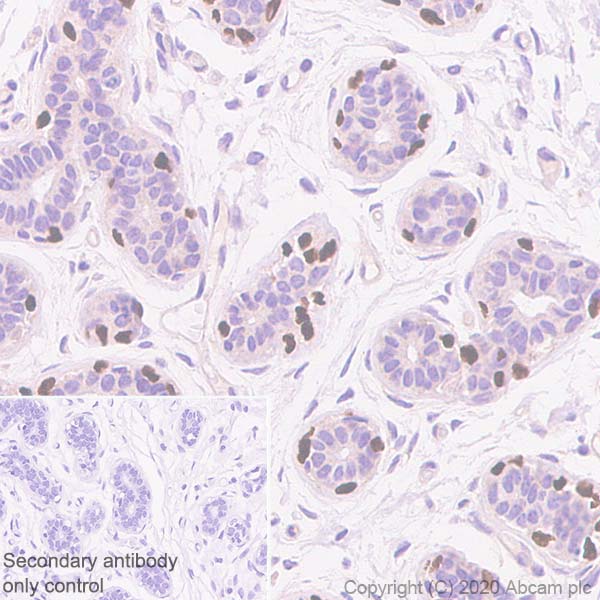
- 4
- 13
Reactivity data
出荷温度及び保存条件
製品の状態
精製方法
バッファー組成
出荷温度
短期保存期間
短期保存温度
長期保存温度
分注に関する情報
保管に関する情報
補足情報
This supplementary information is collated from multiple sources and compiled automatically.
Biological function summary
GATA3 functions as a regulator of gene expression involved in various differentiation processes. It is not a solitary molecule; it interacts with other proteins to form transcriptional complexes. In T-helper type 2 (Th2) cells GATA3 is necessary for Th2 cell differentiation and cytokine production. Its expression is vital for the development of the nervous system and mammary gland morphogenesis highlighting its role in diverse biological contexts.
Pathways
GATA3 plays a significant role in the Th2 differentiation pathway and is linked to the immune response. It acts in association with other transcription factors like STAT6 and T-bet. GATA3 promotes the transcription of Th2 cytokines such as IL-4 IL-5 and IL-13 while suppressing Th1 responses. This balance orchestrated by GATA3 is important for immune homeostasis and the body's ability to respond to infections and allergens.
製品プロトコール
- Visit the General protocols
- Visit the Troubleshooting
ターゲットの情報
文献 (4)
Recent publications for all applications. Explore the full list and refine your search
Science advances 11:eadx4511 PubMed40938992
2025
Applications
Unspecified application
Species
Unspecified reactive species
Clinical and translational allergy 13:e12265 PubMed37357549
2023
Applications
Unspecified application
Species
Unspecified reactive species
Cell proliferation 53:e12827 PubMed32406154
2020
Applications
Unspecified application
Species
Unspecified reactive species
Nature communications 8:15781 PubMed28589929
2017
Applications
IHC-Fr
Species
Mouse
Abcam product promise
Please note: All products are 'FOR RESEARCH USE ONLY. NOT FOR USE IN DIAGNOSTIC OR THERAPEUTIC PROCEDURES'.
For licensing inquiries, please contact partnerships@abcam.com