APC Anti-DLL3 抗体 [EPR22592-18]
APC Anti-DLL3 antibody [EPR22592-18]
- RabMAb
- Recombinant
- 詳細を見る
Be the first to review this product! Submit a review
|
(0 Publication)
Rabbit Recombinant Monoclonal DLL3 antibody - conjugated to APC. Suitable for Flow Cyt (Intra), ICC/IF, IHC-P and reacts with Human, Mouse samples.
別名を表示する
Delta-like protein 3, Drosophila Delta homolog 3, Delta3, DLL3
- Flow Cyt (Intra)
Lab
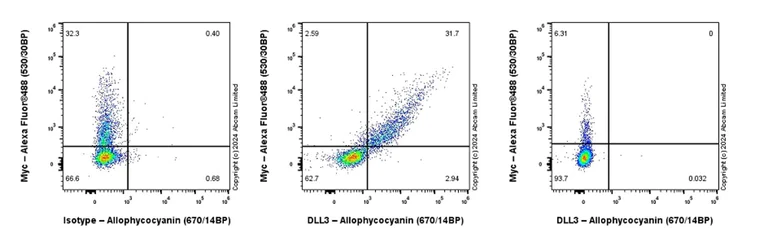
Flow Cytometry (Intracellular) - APC Anti-DLL3 antibody [EPR22592-18] (AB305809)
Flow cytometry overlay histogram showing Isotype (Left), HEK293T transfected with myc-His-DLL3 (Middle), and HEK293T cells transfected with an empty expression vector containing a myc-His-tag® (Right). The cells were fixed with 4% formaldehyde and then permeabilised with 90% methanol. The cells were incubated in 1x PBS containing 10% normal goat serum to block non-specific protein-protein interaction followed by the antibody (ab305809) (1x 10⁶ in 100μl at 1μg/ml (1/500)) for 30min at 22°C. The cells were also incubated with Alexa Fluor®488 anti-myc antibody.
Isotype control antibody was APC Rabbit IgG, monoclonal [EPR25A] - Isotype Control used at the same concentration and conditions as the primary antibody.
Acquisition of >5000 events were collected using a 40 mW Red laser (638nm) and 670/14 bandpass filter.
関連する標識済み抗体及び組成の異なる製品 (10)
-
Anti-DLL3 antibody [EPR22592-18]
-
Anti-DLL3 antibody [EPR22592-18] - BSA and Azide free
-
519 Alexa Fluor® 488
Alexa Fluor® 488 Anti-DLL3 antibody [EPR22592-18]
-
565 Alexa Fluor® 555
Alexa Fluor® 555 Anti-DLL3 antibody [EPR22592-18]
-
603 Alexa Fluor® 568
Alexa Fluor® 568 Anti-DLL3 antibody [EPR22592-18]
-
617 Alexa Fluor® 594
Alexa Fluor® 594 Anti-DLL3 antibody [EPR22592-18]
-
665 Alexa Fluor® 647
Alexa Fluor® 647 Anti-DLL3 antibody [EPR22592-18]
-
775 Alexa Fluor® 750
Alexa Fluor® 750 Anti-DLL3 antibody [EPR22592-18]
-
HRP Anti-DLL3 antibody [EPR22592-18]
-
578 PE
PE Anti-DLL3 antibody [EPR22592-18]
組合せ製品

Primary Antibodies
AB278054
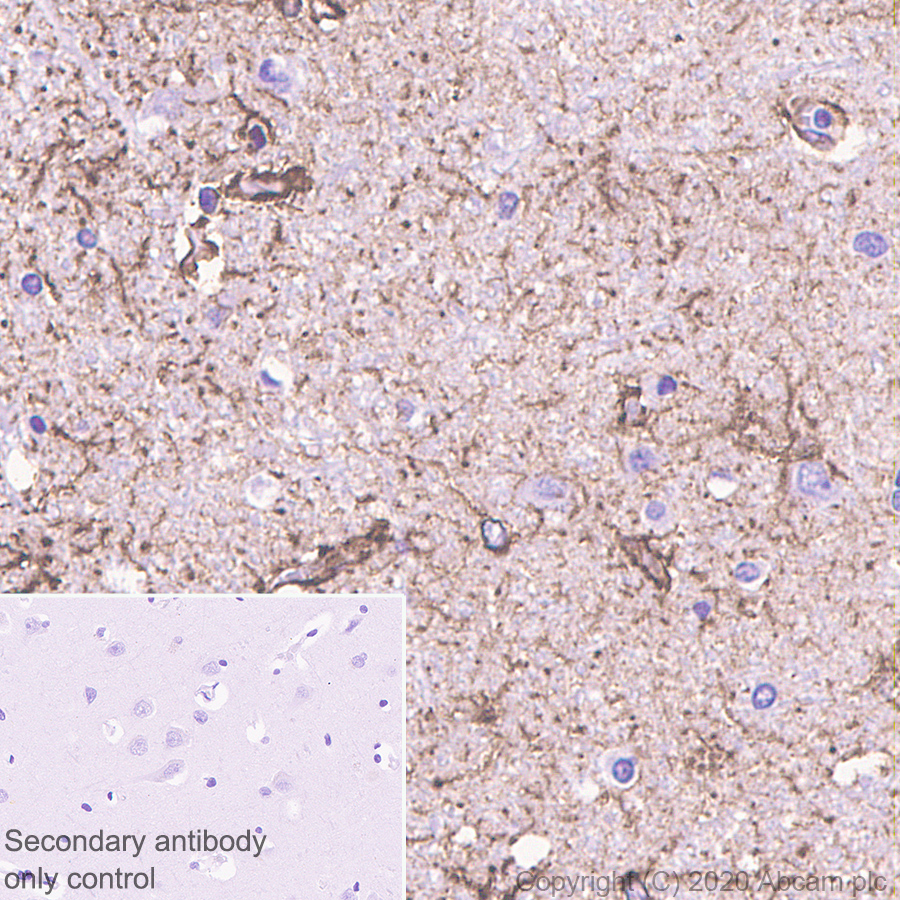
Anti-GFAP antibody [RM1003] - Astrocyte Marker
BOND RX™ Validated|20ul selling size|RabMAb|Recombinant
- 0
- 0
Primary Antibodies
AB183734
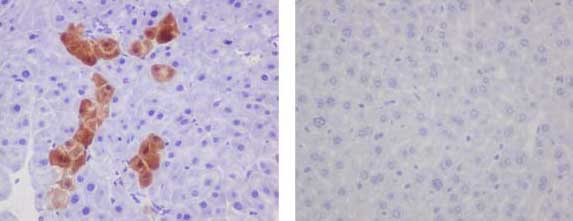
RabMAb|Recombinant|Lab Essentials|20ul selling size
- 5
- 24
Primary Antibodies
AB177487
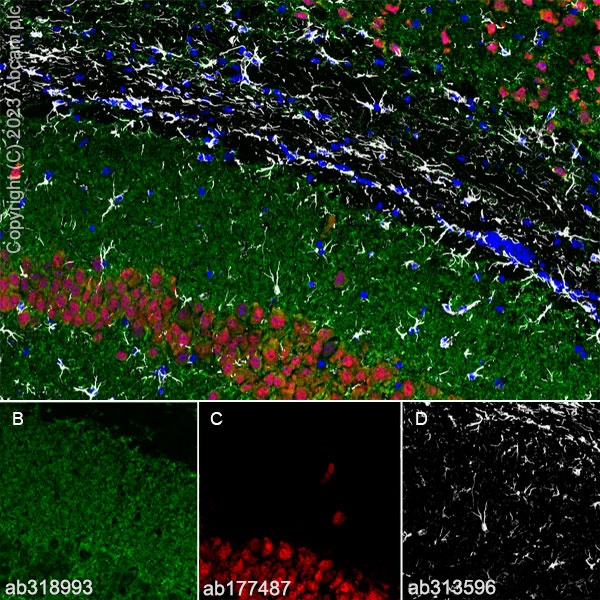
Anti-NeuN antibody [EPR12763] - Neuronal Marker
BOND RX™ Validated|RabMAb|Recombinant|Lab Essentials|20ul selling size|Advanced Validation
- 5
- 76
Primary Antibodies
AB178846
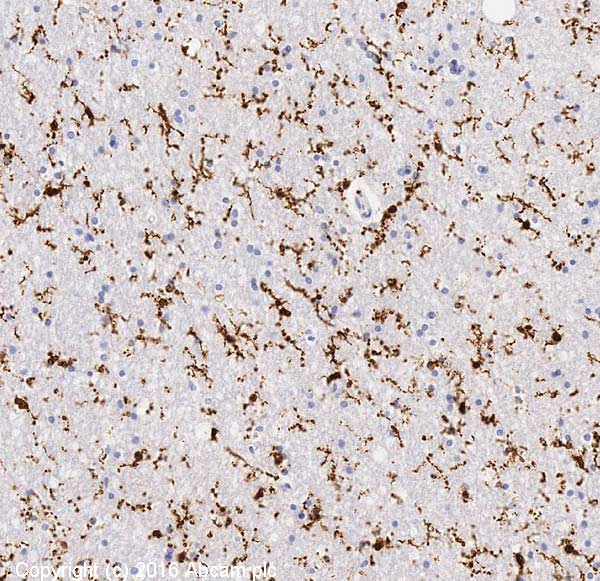
Anti-Iba1 antibody [EPR16588] - Microglia marker
20ul selling size|BOND RX™ Validated|RabMAb|Recombinant|Lab Essentials
- 5
- 50
Reactivity data
製品の詳細
This conjugated primary antibody is "made to order" and it is released using a quantitative quality control method that ensures binding affinity and labelling efficiency of the conjugate. Via leveraging the power of the Lightning-Link® conjugation technology, Abcam will deliver highly consistent recombinant conjugates in <2 weeks, giving you access to an ever growing portfolio of antibody-label combinations.
For suitable applications and species reactivity, please refer to the unconjugated version of this clone.
How are conjugated primary antibodies validated?
This conjugated primary antibody is released using a quantitative quality control method that evaluates binding affinity post-conjugation and efficiency of antibody labeling.
For suitable applications and species reactivity, please refer to the unconjugated version of this clone.
Patented technology
Our RabMAb® technology is a patented hybridoma-based technology for making rabbit monoclonal antibodies. For details on our patents, please refer to RabMAb® patents.
What are the advantages of a recombinant monoclonal antibody?
This product is a recombinant monoclonal antibody, which offers several advantages including:
- - High batch-to-batch consistency and reproducibility
- - Improved sensitivity and specificity
- - Long-term security of supply
- - Animal-free batch production
For more information, read more on recombinant antibodies.
出荷温度及び保存条件
製品の状態
精製方法
バッファー組成
出荷温度
短期保存期間
短期保存温度
長期保存温度
分注に関する情報
保管に関する情報
補足情報
This supplementary information is collated from multiple sources and compiled automatically.
Biological function summary
DLL3 functions mainly in the modulation of the Notch signaling pathway. It does not activate this pathway but acts as an inhibitor blocking Notch ligand activation on adjacent cells. DLL3's role involves binding directly to Notch receptors altering cellular differentiation and growth processes. Despite being related to the Delta/Serrate/LAG-2 family DLL3 exhibits unique characteristics in its interactions forming part of a regulatory complex different from its family members.
Pathways
DLL3 engages importantly in the Notch signaling pathway affecting important cellular communications that regulate development and differentiation. Its interaction with proteins of the Notch family specifically the Notch receptors highlights its inhibitory role. Additionally DLL3 intersects with the Wnt signaling pathway though indirect influencing its output by modulating availability of pathway regulators.
製品プロトコール
- Visit the General protocols
- Visit the Troubleshooting
ターゲットの情報
Abcam product promise
Please note: All products are 'FOR RESEARCH USE ONLY. NOT FOR USE IN DIAGNOSTIC OR THERAPEUTIC PROCEDURES'.
For licensing inquiries, please contact partnerships@abcam.com