Doxorubicin hydrochloride, Topoisomerase II inhibitor
Doxorubicin hydrochloride, Topoisomerase II inhibitor
Be the first to review this product! Submit a review
|
(13 Publications)
Doxorubicin hydrochloride (CAS: 25316-40-9)(ab120629) is a topoisomerase II inhibitor (IC50 = 100 nM, Hep3B cells). DNA intercalator that prevents synthesis of nucleic acid. Induces apoptosis.MW 580, Purity >98%.
- Available in different sizes to fit your experimental needs. Larger volume format available upon request.
別名を表示する
ATP hydrolyzing DNA topoisomerase II alfa, Antigen MLAA 44, DNA Topoisomerase2, DNA gyrase, DNA topoisomerase (ATP hydrolyzing), DNA topoisomerase 2-alpha, DNA topoisomerase 2-beta, DNA topoisomerase 2-binding protein 1, DNA topoisomerase II, DNA topoisomerase II 170 kD, DNA topoisomerase II 180 kD, DNA topoisomerase II alpha isozyme, DNA topoisomerase II beta, DNA topoisomerase II beta isozyme, DNA topoisomerase II binding protein, DNA topoisomerase II-beta-binding protein 1, DNA topoisomerase II-binding protein 1, Hypothetical protein KIAA0259 [Fragment], KIAA0259, TOP IIB, TOP2A_HUMAN, TOP2BP1, TOP2B_HUMAN, TOPB1_HUMAN, TOPBP 1, TP2A, Top 2, Top2 beta, Topo II beta, Topoisomerase (DNA) II beta, Topoisomerase (DNA) II beta 180kDa, Topoisomerase (DNA) II binding protein 1, Topoisomerase DNA II alpha 170kDa, Topoisomerase II binding protein 1, Topoisomerase IIb, U937 associated antigen, alpha isozyme, beta isozyme
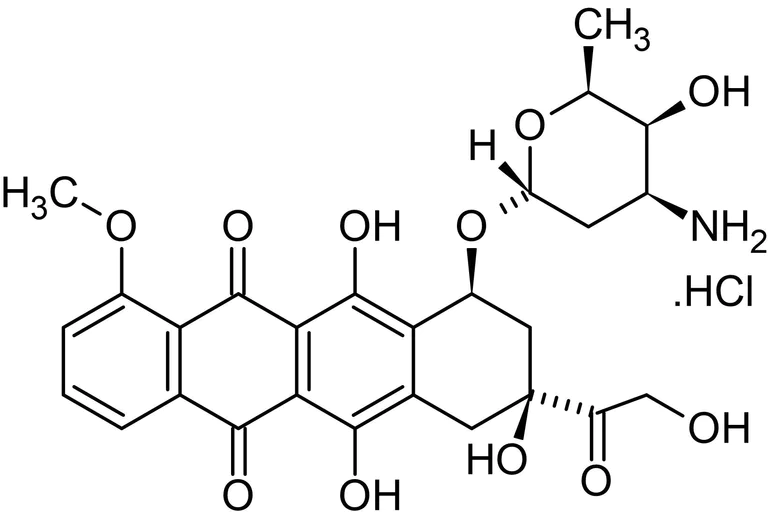
- Chemical Structure
Lab
Chemical Structure - Doxorubicin hydrochloride, Topoisomerase II inhibitor (AB120629)
2D chemical structure image of ab120629, Doxorubicin hydrochloride, Topoisomerase II inhibitor
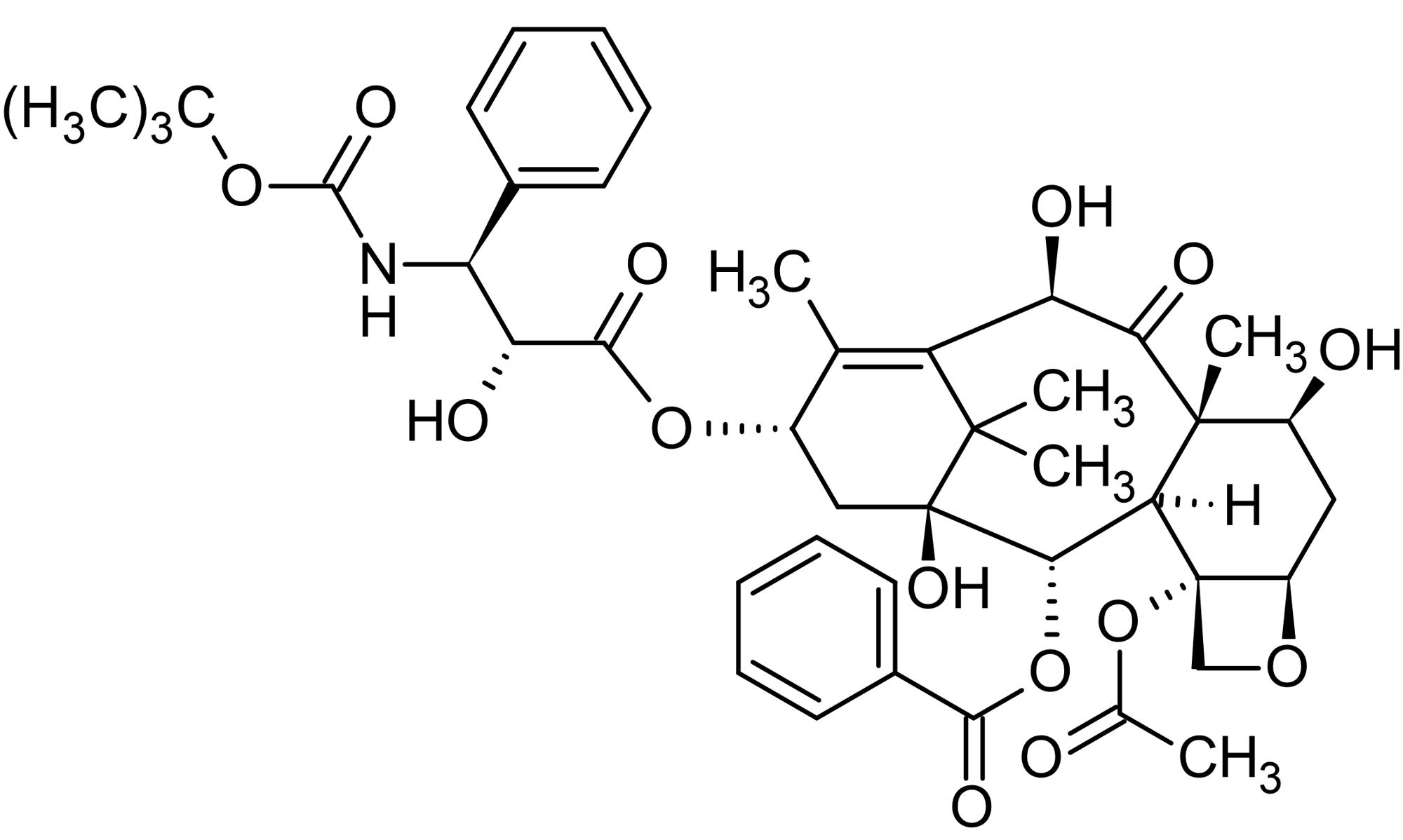
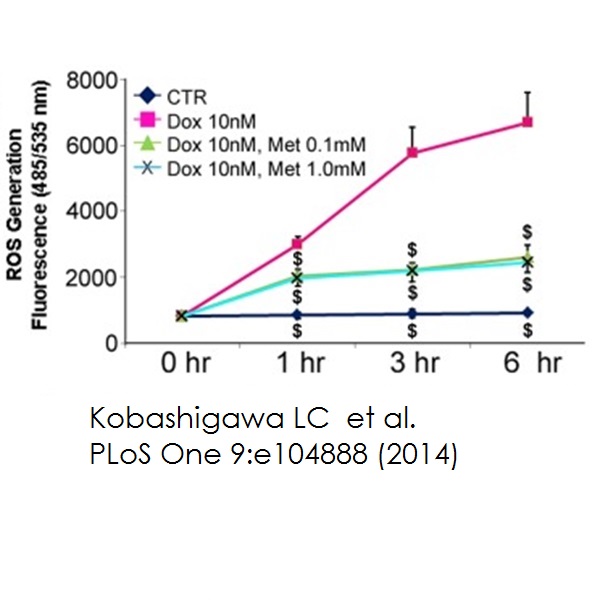
組合せ製品


出荷温度及び保存条件
出荷温度
短期保存温度
長期保存温度
保管に関する情報
Need more advice on solubility, usage and handling? Please visit our our product support page for more details.
|
Wherever possible, you should prepare and use solutions on the same day. However, if you need to make up stock solutions in advance, we recommend that you store the solution as aliquots in tightly sealed vials at -20°C. Generally, these will be useable for up to one month. Before use, and prior to opening the vial we recommend that you allow your product to equilibrate to room temperature for at least 1 hour.
|
Toxic, refer to SDS for further information.
補足情報
This supplementary information is collated from multiple sources and compiled automatically.
Biological function summary
These proteins are involved in maintaining genomic stability. TOP2A and TOP2B operate within complexes that ensure proper chromosomal segregation and repair DNA double-strand breaks. TopBP1 plays a pivotal role in activating DNA damage response particularly during replication stress by interacting with ATR kinase. This interaction facilitates the recognition and repair of damaged DNA. Such functions are critical for cell cycle progression and undisturbed chromosomal integrity impacting cellular responses to DNA damage.
Pathways
These proteins integrate into key cellular mechanisms like the cell cycle and DNA repair pathways. TOP2A and TOP2B through their DNA cleaving and rejoining actions interact closely with proteins like BRCA1 and RAD51 central to homologous recombination repair. TopBP1 participates in the ATR-Chk1 signaling pathway which coordinates cell cycle arrest and repair efforts post replication stress. These interactions ensure cells can stall their cycle to correct errors before proceeding with division providing a defense mechanism against potential threats to integrity and stability of the genome.
文献 (13)
Recent publications for all applications. Explore the full list and refine your search
Life science alliance 8: PubMed39658088
2024
Applications
Unspecified application
Species
Unspecified reactive species
Cancers 16: PubMed39594815
2024
Applications
Unspecified application
Species
Unspecified reactive species
Cardiovascular toxicology 24:266-279 PubMed38347287
2024
Applications
Unspecified application
Species
Unspecified reactive species
Cells 12: PubMed36611902
2022
Applications
Unspecified application
Species
Unspecified reactive species
Frontiers in oncology 11:783803 PubMed35141145
2022
Applications
Unspecified application
Species
Unspecified reactive species
Communications biology 5:39 PubMed35017636
2022
Applications
Unspecified application
Species
Unspecified reactive species
Bioengineered 12:8419-8434 PubMed34661511
2021
Applications
Unspecified application
Species
Unspecified reactive species
International journal of nanomedicine 15:8331-8343 PubMed33149579
2020
Applications
Unspecified application
Species
Unspecified reactive species
Pharmacology 105:522-530 PubMed31747659
2019
Applications
Unspecified application
Species
Unspecified reactive species
Oncology reports 42:328-338 PubMed31002376
2019
Applications
Unspecified application
Species
Unspecified reactive species
Abcam product promise
Please note: All products are 'FOR RESEARCH USE ONLY. NOT FOR USE IN DIAGNOSTIC OR THERAPEUTIC PROCEDURES'.
For licensing inquiries, please contact partnerships@abcam.com